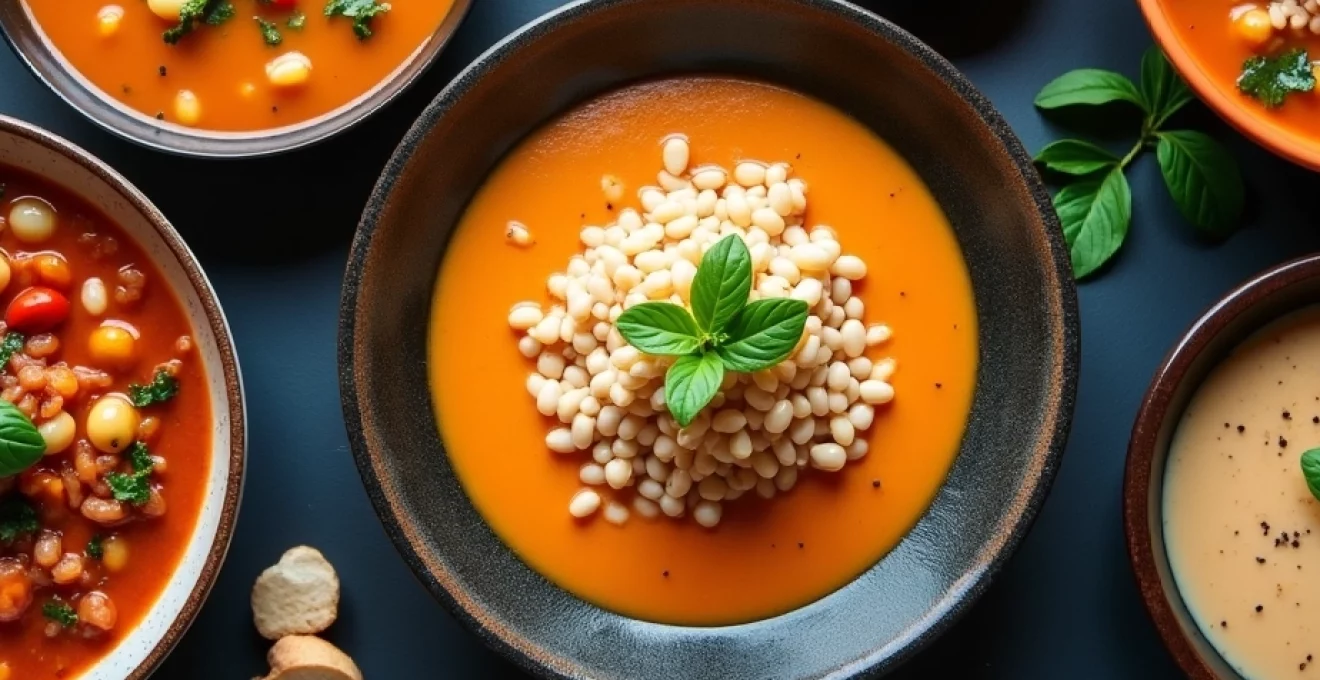
The culinary landscape of plant-based cuisine spans across continents, offering an extraordinary tapestry of flavors, techniques, and nutritional benefits that have sustained civilizations for millennia. From the sun-drenched shores of the Mediterranean to the bustling markets of Southeast Asia, traditional plant-based dishes represent not merely food choices but cultural heritage encoded in recipes passed down through generations. These time-honored preparations demonstrate that vegetarian and vegan cuisine isn’t a modern trend but rather a fundamental aspect of human culinary evolution, deeply rooted in agricultural practices, seasonal availability, and cultural wisdom.
Today’s renewed interest in plant-based eating has illuminated the sophisticated techniques and nutritional profiles that traditional cultures have perfected over centuries. Modern scientific analysis reveals the remarkable complexity of these dishes, from the precise fermentation processes that develop umami compounds in Asian cuisines to the intricate spice combinations that maximize phytochemical absorption in Latin American preparations. Understanding these culinary traditions provides both practical cooking knowledge and insights into sustainable, health-promoting dietary patterns that contemporary nutritional science increasingly validates.
Mediterranean Plant-Based culinary traditions and nutritional profiles
The Mediterranean region stands as a testament to the sophistication of plant-based cooking, where centuries of agricultural abundance have created dishes that optimize both flavor and nutritional density. This culinary tradition emphasizes the synergistic relationships between ingredients, creating meals that enhance the bioavailability of essential nutrients through careful preparation methods and ingredient combinations. Mediterranean plant-based cuisine demonstrates how traditional knowledge aligns with modern nutritional science, particularly in the areas of antioxidant preservation, protein complementation, and mineral absorption.
The foundation of Mediterranean plant-based cooking rests on the principle of seasonal eating and minimal processing, allowing natural flavors and nutrients to remain intact. Olive oil serves not merely as a cooking medium but as a carrier for fat-soluble vitamins and polyphenolic compounds that provide anti-inflammatory benefits. The region’s emphasis on legumes, whole grains, and fresh vegetables creates naturally balanced meals that provide complete amino acid profiles while delivering substantial amounts of fiber, vitamins, and minerals essential for optimal health.
Greek fasolada white bean stew: protein density and fiber content analysis
Fasolada represents one of Greece’s most nutritionally complete plant-based dishes, combining white beans with aromatic vegetables in a preparation that maximizes both protein density and fiber content. A single serving provides approximately 15-18 grams of complete protein when combined with whole grain bread, demonstrating how traditional food pairings create nutritionally optimal meals. The slow-cooking process breaks down complex carbohydrates while preserving water-soluble vitamins, creating a digestible yet nutrient-dense meal that sustains energy levels throughout the day.
The fiber content in fasolada reaches impressive levels of 12-15 grams per serving, combining both soluble and insoluble fiber types that support digestive health and blood sugar regulation. White beans contain resistant starch that feeds beneficial gut bacteria, while the addition of celery, carrots, and onions provides prebiotic compounds that enhance the dish’s overall digestive benefits. This traditional preparation method ensures optimal nutrient retention while creating complex flavors that develop through extended cooking times.
Italian ribollita tuscan bread soup: antioxidant compound concentration
Ribollita exemplifies the Italian philosophy of transforming simple ingredients into nutritionally powerful meals through careful preparation techniques. This traditional Tuscan soup concentrates antioxidant compounds from dark leafy greens, particularly cavolo nero (black kale), which contains exceptional levels of lutein, zeaxanthin, and vitamin K. The addition of cannellini beans provides folate and magnesium, while the inclusion of day-old bread creates a unique texture that enhances satiety without compromising nutritional value.
The cooking process used in ribollita actually increases the bioavailability of certain antioxidants, particularly lycopene from tomatoes and beta-carotene from carrots. Research indicates that the gentle simmering and overnight resting period allows these compounds to concentrate and become more readily absorbed by the digestive system. The dish’s high water content, combined with its fiber density, creates an ideal medium for nutrient absorption while supporting hydration and digestive function.
Spanish gazpacho andaluz: lycopene bioavailability and mineral content
Gazpacho represents a unique approach to plant-based nutrition, utilizing raw preparation methods that preserve heat-sensitive vitamins while maximizing the absorption of fat-soluble compounds. The combination of ripe tomatoes with olive oil creates optimal conditions for lycopene absorption, with studies showing that this traditional preparation method can increase lycopene bioavailability by up to 300% compared to consuming tomatoes alone. The inclusion of bell peppers provides exceptional levels of vitamin C, which enhances iron absorption from other meal components.
The mineral profile of authentic gazpacho is particularly impressive, with significant amounts of potassium from tomatoes, magnesium from cucumber, and selenium from garlic. The raw preparation preserves enzymatic activity that can aid in digestion and nutrient absorption, while the cold serving temperature provides refreshing hydration during warm weather. The dish’s high water content, combined with its electrolyte balance, makes it an ideal choice for maintaining proper hydration while delivering concentrated nutrition.
Lebanese mujaddara lentil rice: complete amino acid profile assessment
Mujaddara demonstrates the sophisticated understanding of protein complementation that characterizes Middle Eastern cuisine, combining lentils and rice in proportions that create a complete amino acid profile rivaling that of animal proteins. This traditional dish provides all nine essential amino acids in optimal ratios, with approximately 18-20 grams of complete protein per serving. The addition of caramelized onions not only enhances flavor but also provides quercetin and other flavonoids that support immune function and reduce inflammatory responses.
The preparation method used in mujaddara enhances mineral absorption through careful timing of ingredient additions and cooking techniques. Lentils contribute substantial amounts of iron, folate, and zinc, while rice provides B-vitamins and additional minerals. The slow cooking process allows these nutrients to become more bioavailable, while the inclusion of olive oil and onions provides compounds that further enhance nutrient absorption and utilization by the body.
Asian Plant-Based fermentation techniques and umami development
Asian culinary traditions have perfected the art of fermentation to create plant-based dishes with extraordinary depth of flavor and enhanced nutritional profiles. These ancient techniques transform simple ingredients into complex, umami-rich foods that satisfy both palate and nutritional needs through sophisticated microbial processes. Fermentation not only preserves food but also creates new nutrients, breaks down anti-nutritional factors, and develops flavor compounds that make plant-based dishes extraordinarily satisfying and delicious.
The science behind Asian fermentation techniques reveals a deep understanding of beneficial microorganisms and their role in food transformation. Traditional fermentation processes create environments that encourage the growth of beneficial bacteria and fungi while inhibiting harmful microorganisms. This results in foods with enhanced digestibility, increased vitamin content, and the development of unique flavor profiles that characterize each regional cuisine. Modern research has validated many of these traditional practices, showing how fermented plant foods contribute to gut health, immune function, and overall nutritional status.
The mastery of fermentation in Asian cuisines represents thousands of years of experimentation and refinement, creating foods that optimize both nutrition and flavor through natural biological processes.
Japanese Miso-Based ramen broths: glutamate formation through koji cultivation
Japanese miso production represents one of the most sophisticated fermentation processes in culinary history, utilizing Aspergillus oryzae (koji) to break down soybeans and create complex amino acid profiles rich in natural glutamates. The fermentation process can extend from six months to several years, during which enzymes produced by koji cultures convert proteins into free amino acids that contribute to the characteristic umami flavor. Miso-based ramen broths concentrate these compounds further through careful cooking techniques that extract maximum flavor while preserving beneficial compounds.
The nutritional benefits of properly fermented miso extend beyond flavor enhancement to include increased protein digestibility, enhanced mineral absorption, and the presence of beneficial bacteria that support digestive health. Different types of miso provide varying nutritional profiles, with darker varieties generally containing higher concentrations of antioxidants and longer fermentation periods resulting in more complex flavor development. When used in ramen broths, these compounds create satisfying, protein-rich meals that demonstrate how traditional fermentation can create nutritionally complete plant-based dishes.
Korean kimchi fermentation: lactobacillus probiotic strain diversity
Kimchi fermentation showcases the remarkable diversity of beneficial bacteria that can develop in properly prepared plant-based foods, with studies identifying over 200 different bacterial strains in traditional kimchi preparations. The fermentation process begins with natural bacteria present on fresh cabbage and other vegetables, which multiply under carefully controlled conditions of salt concentration, temperature, and time. Lactobacillus species dominate the fermentation, creating an acidic environment that preserves the vegetables while developing complex flavors and enhancing nutritional value.
The probiotic benefits of kimchi extend far beyond simple bacterial counts to include the production of bioactive compounds such as short-chain fatty acids, which support intestinal health and immune function. The fermentation process also increases the bioavailability of vitamins, particularly vitamin K2 and certain B-vitamins, while creating unique compounds that may have anti-inflammatory and immune-supporting properties. Traditional kimchi preparation methods ensure optimal bacterial diversity, creating foods that contribute significantly to overall digestive and immune health.
Chinese mapo tofu with fermented black beans: enzymatic protein breakdown
The use of fermented black beans in Chinese cuisine demonstrates sophisticated understanding of how fermentation can enhance both flavor and protein quality in plant-based dishes. Fermented black beans undergo extensive enzymatic breakdown that converts complex proteins into more digestible amino acids while creating intense umami flavors that complement tofu’s mild taste. The fermentation process also produces enzymes that can aid in the digestion of other proteins in the dish, creating meals that are both satisfying and easily digestible.
Mapo tofu prepared with authentic fermented black beans provides exceptional protein quality, with the combination of soy products offering complete amino acid profiles enhanced by the fermentation process. The enzymatic activity in fermented black beans continues even after cooking, contributing to improved protein utilization and enhanced flavor development. This traditional preparation method demonstrates how fermentation can transform simple ingredients into nutritionally superior foods that provide both essential nutrients and exceptional culinary satisfaction.
Thai nam prik fermented chili pastes: capsaicin concentration variations
Thai fermented chili pastes represent a unique approach to preserving and concentrating the beneficial compounds found in hot peppers while creating complex flavor profiles that enhance plant-based dishes. The fermentation process modifies capsaicin concentrations and creates new compounds that can enhance metabolism and provide anti-inflammatory benefits. Different fermentation times and conditions result in varying levels of heat and complexity, allowing for precise flavor control in traditional dishes.
The nutritional benefits of fermented chili pastes extend beyond their capsaicin content to include enhanced levels of vitamins A and C, as well as beneficial compounds produced during fermentation. These pastes also contain beneficial bacteria that can contribute to digestive health, while the fermentation process creates enzymes that aid in the digestion of other food components. Traditional Thai preparation methods ensure optimal development of both flavor and nutritional compounds, creating condiments that enhance both the taste and healthfulness of plant-based meals.
Latin american indigenous Plant-Based cooking methods
Latin American indigenous cooking traditions represent some of the world’s most innovative approaches to plant-based cuisine, utilizing techniques developed over thousands of years to maximize nutrition from native ingredients. These methods often involve complex preparation processes that enhance digestibility, increase nutrient availability, and create unique flavors that characterize regional cuisines. Indigenous cooking techniques frequently employ principles that modern nutrition science has validated, such as food combining for complete proteins, fermentation for enhanced digestibility, and specific preparation methods that reduce anti-nutritional factors in certain foods.
The sophistication of indigenous Latin American plant-based cooking extends to the understanding of seasonal eating patterns, sustainable agriculture, and the medicinal properties of native plants. Traditional dishes often incorporate multiple botanical families to create nutritionally balanced meals that provide complete amino acid profiles, essential fatty acids, and comprehensive vitamin and mineral content. These time-tested approaches offer valuable insights for contemporary plant-based cooking, demonstrating how traditional knowledge can inform modern nutritional strategies.
Mexican mole poblano: complex phytochemical interactions in Chili-Cacao combinations
Mole poblano represents one of the most sophisticated examples of phytochemical synergy in traditional cooking, combining over twenty ingredients in carefully balanced proportions that enhance both flavor and nutritional value. The combination of various chili peppers with cacao creates unique interactions between capsaicinoids and flavonoids that may enhance the bioavailability and effectiveness of both compound groups. Traditional mole preparation requires hours of careful roasting, grinding, and cooking that develops complex flavors while optimizing the extraction and concentration of beneficial plant compounds.
The nutritional complexity of authentic mole poblano extends far beyond its individual ingredients to include the creation of new compounds through the cooking process. The interaction between cacao flavonoids and chili capsaicinoids may enhance antioxidant activity and provide synergistic health benefits that exceed those of the individual components. This traditional sauce provides significant amounts of iron, magnesium, and potassium, along with numerous phytochemicals that contribute to its characteristic deep, complex flavor and potential health benefits.
Peruvian quinoa cultivation techniques: saponin removal and protein optimization
Traditional Peruvian quinoa preparation techniques demonstrate sophisticated understanding of how to optimize protein quality while removing naturally occurring compounds that can interfere with digestion. Indigenous processing methods involve careful washing and sometimes fermentation processes that remove bitter saponins while preserving the grain’s exceptional amino acid profile. These traditional techniques ensure that quinoa provides complete, easily digestible protein while maintaining its full complement of vitamins, minerals, and beneficial compounds.
The protein quality of properly prepared quinoa rivals that of animal proteins, providing all essential amino acids in ratios that support optimal protein synthesis and utilization. Traditional Peruvian varieties often contain higher protein concentrations than commercial varieties, with some indigenous types providing up to 22% protein by weight. The careful cultivation and processing techniques used by indigenous communities also preserve quinoa’s content of iron, zinc, and B-vitamins while ensuring optimal digestibility and flavor.
Brazilian feijoada vegana: black bean anthocyanin preservation methods
Traditional Brazilian cooking methods for black beans optimize the preservation of anthocyanins and other beneficial compounds while creating rich, flavorful dishes that provide exceptional nutritional value. Slow cooking techniques used in feijoada allow for the gentle extraction of nutrients from beans and vegetables while preserving heat-sensitive vitamins and antioxidants. The addition of citrus fruits not only enhances flavor but also provides vitamin C that enhances iron absorption from the beans.
The anthocyanin content of black beans provides significant antioxidant benefits, with traditional Brazilian preparation methods maximizing the retention of these compounds through careful cooking temperatures and timing. The combination of black beans with colorful vegetables creates dishes with exceptional antioxidant density, while the slow cooking process ensures optimal protein digestibility. Traditional seasonings used in feijoada also contribute beneficial compounds that may enhance the overall nutritional value of the dish.
Colombian sancocho de vegetales: root vegetable starch gelatinization processes
Colombian sancocho preparation demonstrates masterful understanding of starch gelatinization processes that create satisfying, nutrient-dense meals from native root vegetables. The traditional cooking method involves precise timing and temperature control that converts complex starches into easily digestible forms while preserving the nutritional integrity of the vegetables. This cooking process creates natural thickening that eliminates the need for added fats while developing rich, complex flavors that characterize this traditional dish.
The root vegetables traditionally used in sancocho provide exceptional amounts of complex carbohydrates, fiber, and essential minerals, with the cooking process enhancing the bioavailability of these nutrients. The combination of different root vegetables creates complementary nutritional profiles, with each type contributing unique vitamins, minerals, and beneficial compounds. Traditional preparation methods ensure optimal starch conversion while preserving heat-sensitive vitamins and creating textures that enhance both satisfaction and digestibility.
African Plant-Based grain processing and nutritional enhancement
African culinary traditions encompass some of the world’s most innovative grain processing techniques, developed over millennia to maximize nutrition from indigenous cereals and legumes. Traditional methods such as fermentation
, soaking, and controlled sprouting enhance the digestibility of sorghum, millet, and other traditional grains while increasing their vitamin content and protein quality. These time-tested methods demonstrate remarkable understanding of food science principles, utilizing natural processes to break down anti-nutritional factors and create more bioavailable nutrients. Traditional African grain processing often involves community participation, with techniques passed down through generations that ensure optimal nutrition for entire communities.
The fermentation processes used in African cuisine create unique flavor profiles while dramatically improving the nutritional value of staple grains. Natural fermentation increases B-vitamin content, particularly thiamine and riboflavin, while breaking down complex carbohydrates into more digestible forms. These traditional methods also create beneficial acids that preserve food naturally and may contribute to improved gut health through the consumption of beneficial microorganisms developed during processing.
Indigenous African grains such as teff, fonio, and finger millet provide exceptional nutritional density when processed using traditional methods. These ancient grains contain complete amino acid profiles and high levels of iron, calcium, and zinc, with traditional processing techniques ensuring maximum retention of these essential nutrients. The grinding, fermentation, and cooking methods used across different African cultures create foods that sustain energy levels while providing comprehensive nutrition from locally adapted plant varieties.
Plant-based protein complementation strategies across global cuisines
Traditional cuisines worldwide demonstrate sophisticated understanding of protein complementation, combining different plant foods to create complete amino acid profiles that rival animal proteins in quality and digestibility. These time-tested combinations reveal how indigenous knowledge systems developed optimal nutritional strategies long before modern protein science emerged. Protein complementation occurs naturally in traditional dishes where grains and legumes, nuts and seeds, or various plant proteins combine to provide all essential amino acids in proper ratios.
The science behind successful protein complementation involves understanding the amino acid profiles of different plant foods and how they can be combined to overcome individual limitations. While most plant proteins contain all essential amino acids, some may be limited in specific amino acids such as lysine in grains or methionine in legumes. Traditional food combinations address these limitations naturally, creating meals that provide complete, high-quality protein while offering the additional benefits of fiber, phytochemicals, and complex carbohydrates.
Modern research has validated many traditional protein combinations, showing that dishes like rice and beans, hummus with whole grain pita, or peanut butter on whole grain bread provide protein quality scores comparable to animal proteins. These combinations work synergistically, with the amino acid profiles of different foods complementing each other to create complete protein sources that support muscle synthesis, immune function, and overall health maintenance.
Regional cuisines have developed unique approaches to protein complementation that reflect local agricultural conditions and cultural preferences. Mediterranean cuisines combine legumes with nuts and seeds, creating dishes like hummus with tahini that provide exceptional protein quality. Asian cuisines frequently pair soy products with grains and vegetables, while Latin American traditions combine corn and beans in countless variations that ensure adequate protein intake from plant sources.
The timing of protein complementation has evolved from early beliefs that complementary proteins must be consumed simultaneously to the current understanding that they can be consumed throughout the day. This flexibility makes plant-based eating more practical while maintaining the nutritional benefits of complete protein intake. Traditional cuisines often naturally provide complementary proteins throughout daily meal patterns, ensuring adequate amino acid availability for optimal protein utilization.
Modern molecular gastronomy applications in traditional Plant-Based dishes
Contemporary molecular gastronomy techniques are revolutionizing traditional plant-based dishes by enhancing textures, concentrating flavors, and creating new sensory experiences while preserving the nutritional integrity of time-honored recipes. These innovative approaches use scientific principles to transform familiar ingredients into extraordinary presentations that maintain the essential character of traditional dishes while elevating them to new culinary heights. Molecular techniques such as spherification, gelification, and emulsification allow chefs to create plant-based versions of traditional dishes with improved textures and enhanced flavor delivery.
The application of modern food science to traditional plant-based recipes often reveals hidden potential in familiar ingredients, using techniques like enzyme modification to enhance protein functionality or controlled dehydration to concentrate flavors. Fermentation science has been elevated through precise temperature and pH control, creating more consistent results while preserving the beneficial aspects of traditional fermentation. These technological advances allow for the creation of plant-based dishes that satisfy both nutritional requirements and sophisticated palate expectations.
Texture modification represents one of the most impactful applications of molecular gastronomy to plant-based cuisine, using natural hydrocolloids and proteins to create meat-like textures from plant ingredients. Techniques such as transglutaminase application and protein spinning create fibrous textures that closely mimic traditional meat dishes while maintaining complete plant-based profiles. These innovations make plant-based versions of culturally significant dishes more accessible to those transitioning from omnivorous diets.
Flavor encapsulation and controlled release technologies allow for the creation of plant-based dishes with complex flavor development that mirrors the traditional cooking processes that develop umami and savory notes over time. Modern extraction techniques can concentrate and purify flavor compounds from traditional ingredients, creating intense taste experiences that honor traditional flavor profiles while providing consistent, restaurant-quality results. These applications demonstrate how science can enhance rather than replace traditional culinary wisdom.
The integration of molecular gastronomy with traditional plant-based cooking represents a bridge between ancient wisdom and modern innovation, creating opportunities for plant-based cuisine to reach new audiences while maintaining its cultural authenticity. This scientific approach to traditional dishes can help preserve culinary heritage while making plant-based eating more appealing and accessible to diverse populations, potentially contributing to improved health outcomes and environmental sustainability on a global scale.