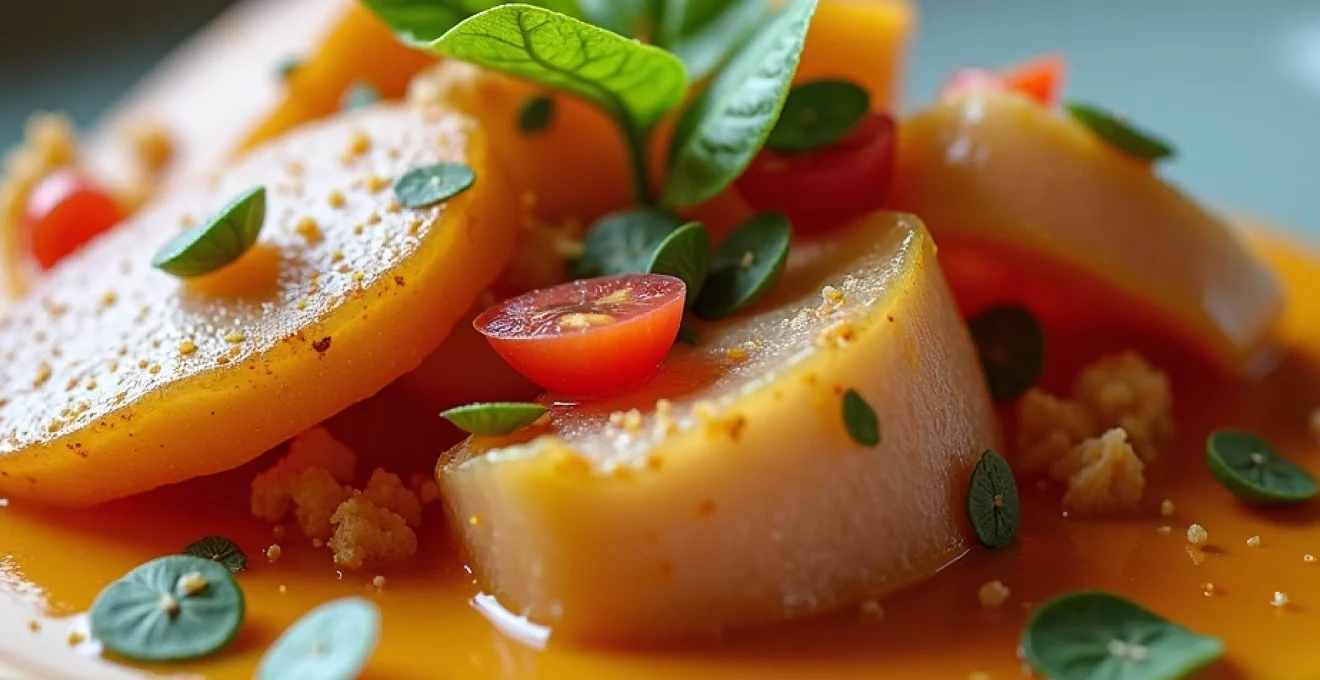
The pursuit of culinary excellence has evolved far beyond simple sustenance, transforming into an intricate art form that marries scientific precision with creative expression. Modern gastronomy represents a fascinating intersection where chemistry meets creativity, tradition blends with innovation, and sensory perception becomes the ultimate judge of success. Today’s epicurean landscape showcases how master chefs leverage cutting-edge techniques, psychological principles, and artisanal sourcing to create transformative dining experiences that challenge conventional notions of taste, texture, and presentation.
The evolution of fine dining has witnessed unprecedented innovation in recent decades, with molecular gastronomy leading the charge in redefining culinary possibilities. This scientific approach to cooking has revolutionized how chefs manipulate ingredients at the molecular level, creating textures and presentations that were previously unimaginable. The integration of advanced equipment, precise temperature control, and innovative serving methods has elevated restaurant experiences to theatrical performances where each dish tells a compelling story through carefully orchestrated flavors, aromas, and visual elements.
Molecular gastronomy techniques transforming traditional cuisine
Molecular gastronomy represents perhaps the most revolutionary advancement in modern culinary arts, fundamentally altering how chefs approach ingredient manipulation and flavor development. This scientific cooking methodology employs chemistry and physics principles to transform familiar ingredients into extraordinary culinary experiences. The technique has gained widespread acceptance among Michelin-starred establishments worldwide, with renowned chefs incorporating molecular methods to create dishes that challenge diners’ preconceptions about food texture, temperature, and presentation.
The foundation of molecular gastronomy rests on understanding how ingredients behave at the molecular level when subjected to specific chemical and physical processes. This knowledge enables chefs to deconstruct traditional dishes and reconstruct them using innovative techniques that preserve or enhance flavors while completely transforming their physical properties. The methodology has proven particularly effective in creating unexpected contrasts between appearance and taste, allowing chefs to surprise diners with familiar flavors presented in entirely new forms.
Spherification methods using sodium alginate and calcium chloride
Spherification stands as one of the most recognizable molecular gastronomy techniques, creating liquid-filled spheres that burst with flavor when consumed. The process involves two primary methods: basic spherification, where calcium chloride solution is immersed in sodium alginate bath, and reverse spherification, which uses sodium alginate inside and calcium chloride outside. This technique allows chefs to create caviar-like pearls filled with fruit juices, cocktails, or savory broths that provide intense flavor bursts.
The chemistry behind spherification relies on calcium ions reacting with alginate polymers to form a flexible gel membrane. Professional kitchens typically use a 0.5% sodium alginate solution and a 1% calcium chloride solution to achieve optimal results. The timing becomes crucial, as prolonged immersion leads to thicker membranes that can compromise the desired liquid center texture. Master practitioners have refined this technique to create spheres ranging from tiny caviar-sized pearls to large ravioli-like pouches.
Liquid nitrogen applications in ferran adrià’s elbulli methodology
Liquid nitrogen applications in molecular gastronomy have revolutionized instant freezing techniques, enabling chefs to create dramatic textural contrasts and theatrical presentations. Operating at -196°C, liquid nitrogen instantly freezes surface layers while maintaining interior textures, allowing for the creation of frozen mousses with warm centers or instantly shattered cocktails that release aromatic vapors. The technique requires specialized equipment and extensive safety protocols due to the extreme temperatures involved.
Professional applications include creating flash-frozen cocktails served as solid spheres that melt on the tongue, instantly frozen fruits that shatter like glass when bitten, and dramatic tableside presentations involving billowing nitrogen vapors. The methodology has expanded beyond temperature manipulation to include texture modification, where ingredients are frozen and then shaved or powdered to create unique garnishes and flavor enhancers that dissolve instantly upon contact with warmth.
Gelification processes with Agar-Agar and carrageenan hydrocolloids
Hydrocolloid gelification represents a cornerstone technique in molecular gastronomy, utilizing substances like agar-agar and carrageenan to create gels with properties impossible to achieve through traditional gelatin methods. Agar-agar, derived from seaweed, creates thermoreversible gels that remain stable at room temperature and can withstand temperatures up to 85°C without melting. This property allows chefs to create hot gels that maintain their shape even when served warm.
Carrageenan offers different gelification properties depending on its type, with kappa-carrageenan creating firm, brittle gels and iota-carrageenan producing elastic, flexible textures. Professional kitchens combine different hydrocolloids to achieve specific textural goals, creating fluid gels that pour like liquids but maintain gel-like mouthfeel, or creating gels that dissolve instantly at body temperature while remaining stable at room temperature. These techniques enable chefs to transform liquids into solid presentations while preserving original flavors completely.
Emulsification science behind grant achatz’s alinea innovations
Advanced emulsification techniques have transformed how chefs create foams, airs, and stable emulsions that were previously impossible using traditional methods. Lecithin-based emulsions allow for the creation of stable foams from virtually any liquid, while polysaccharide gums enable the formation of fluid emulsions with unique mouthfeel properties. These techniques have revolutionized sauce preparation and garnish creation in professional kitchens.
The science involves understanding how different emulsifiers interact with water and oil phases to create stable dispersions. Modern emulsification utilizes equipment like immersion blenders, whippers, and specialized homogenizers to achieve consistent results. Professional practitioners have developed techniques for creating temperature-stable foams that maintain their structure throughout service, flavored airs that dissolve on the tongue while releasing concentrated aromas, and emulsion-based sauces that provide intense flavor concentration without traditional heaviness.
Transglutaminase protein binding in heston blumenthal’s fat duck creations
Transglutaminase, often called “meat glue,” represents one of the most powerful tools in molecular gastronomy for protein manipulation and creative protein combinations. This enzyme catalyzes the formation of covalent bonds between proteins, enabling chefs to bind different proteins together seamlessly or create entirely new protein structures. The technique allows for the creation of impossible protein combinations that appear natural while combining flavors and textures that could never occur naturally.
Professional applications include binding fish to meat to create striped presentations, reconstructing proteins into new shapes, and creating protein sheets that can be manipulated like pasta. The enzyme requires specific conditions to function optimally, including proper pH levels, temperature control, and adequate binding time. Master practitioners use transglutaminase to create dishes where multiple proteins are combined so seamlessly that diners cannot identify where one protein ends and another begins, resulting in complex flavor profiles that evolve throughout consumption.
Sensory perception psychology in fine dining experiences
The psychology of sensory perception plays a fundamental role in creating memorable dining experiences that extend far beyond basic taste recognition. Contemporary fine dining establishments increasingly leverage scientific understanding of how the brain processes sensory information to enhance flavor perception, create emotional responses, and construct lasting memories associated with culinary experiences. This approach recognizes that dining involves all five senses working in concert, with each sensory input contributing to the overall perception of flavor, satisfaction, and enjoyment.
Research in neurogastronomy has revealed fascinating insights into how environmental factors, presentation aesthetics, and serving sequences can dramatically alter taste perception. The brain’s interpretation of flavor involves complex interactions between taste buds, olfactory receptors, tactile sensations, visual cues, and even auditory inputs. Understanding these mechanisms allows chefs to manipulate sensory experiences deliberately, creating dishes that taste better simply through optimized presentation, temperature contrast, textural variety, and aromatic enhancement.
Color psychology significantly influences flavor expectation and satisfaction levels. Studies demonstrate that diners consistently rate foods as more flavorful when presented on plates that complement their natural colors, while contrasting colors can enhance perceived intensity. The temperature of serving vessels affects both actual temperature perception and flavor release, with warmed plates enhancing aromatic compounds and cooled surfaces preserving delicate textures. Textural contrast within single dishes creates more satisfying eating experiences, as the brain interprets varied textures as indicators of complex, high-quality preparations.
Sound design has emerged as an unexpected factor in flavor perception, with research showing that specific frequencies can enhance sweet or bitter taste perception. Progressive restaurants now incorporate ambient sound design, plate materials that create specific sounds during consumption, and even edible elements that produce distinct auditory experiences. The timing of service also leverages psychological principles, with carefully orchestrated pauses between courses allowing palate cleansing while building anticipation for subsequent dishes through strategic aromatic previews and visual presentations.
Michelin-starred culinary philosophy and execution standards
Michelin-starred establishments represent the pinnacle of culinary achievement, where exceptional technique converges with innovative creativity to produce consistently extraordinary dining experiences. These restaurants operate under demanding standards that encompass ingredient sourcing, preparation precision, service excellence, and atmospheric design. The pursuit of Michelin recognition drives chefs to push culinary boundaries while maintaining unwavering consistency, resulting in dining experiences that justify premium pricing through unparalleled quality and innovation.
The Michelin evaluation process considers multiple factors beyond food quality, including service professionalism, restaurant atmosphere, wine program sophistication, and overall value proposition. Successful establishments demonstrate mastery across all these dimensions, creating cohesive experiences where every element supports the culinary vision. This holistic approach requires exceptional team coordination, with front-of-house staff trained to understand menu components thoroughly and kitchen teams maintaining precision standards that ensure identical quality across hundreds of daily covers.
Thomas keller’s french laundry precision cooking methodology
Thomas Keller’s approach to precision cooking emphasizes technical perfection combined with ingredient respect, creating a methodology that has influenced countless professional kitchens worldwide. His philosophy centers on understanding fundamental cooking techniques so thoroughly that they become second nature, allowing for creative expression within frameworks of proven methods. This approach produces consistently exceptional results while providing foundation for innovative applications.
The French Laundry methodology emphasizes mise en place organization that extends beyond basic preparation to include mental preparation, equipment readiness, and systematic workflow optimization. Every component receives individual attention to achieve its optimal preparation, with timing coordinated to ensure simultaneous completion. This precision extends to portioning, seasoning, and plating, where measurements are standardized to eliminate variables that could compromise consistency. The result is a system that produces identical quality regardless of which team member executes specific preparations.
Joël robuchon’s L’Atelier interactive counter service model
Robuchon’s L’Atelier concept revolutionized fine dining by combining Michelin-starred cuisine with interactive counter service, breaking down traditional barriers between kitchen and dining room. This model allows diners to observe preparation techniques while engaging with chefs, creating educational experiences that enhance appreciation for culinary craftsmanship. The format demands exceptional presentation skills from kitchen staff and requires menu designs that remain compelling when prepared in view of guests.
The interactive model influences menu development significantly, favoring preparations that showcase technique while remaining visually engaging throughout the cooking process. Dishes are designed with dramatic presentation moments that create excitement, such as sauce applications, final garnishing, or tableside finishing techniques. This approach requires specialized equipment positioning and workflow organization that maintains efficiency while ensuring optimal viewing angles for diners. The success of this model has inspired numerous establishments to incorporate similar interactive elements.
Daniel humm’s eleven madison park seasonal ingredient sourcing
Humm’s approach to seasonal ingredient sourcing exemplifies how Michelin-starred establishments can create menu evolution that reflects natural cycles while maintaining signature style consistency. This methodology requires developing relationships with specialized producers who can provide consistent quality within seasonal availability constraints. The approach demands menu flexibility that allows for ingredient substitutions without compromising dish integrity or overall menu balance.
Seasonal sourcing at this level involves advance planning that coordinates with multiple producers to ensure availability of peak-quality ingredients throughout planned menu cycles. This includes working with farmers to influence growing schedules, collaborating with foragers to identify optimal harvesting windows, and developing preservation techniques that extend seasonal availability for signature preparations. The result is a dynamic menu structure that maintains familiar elements while incorporating seasonal variations that create return-visit incentives for regular diners.
Massimo bottura’s osteria francescana cultural gastronomy approach
Bottura’s cultural gastronomy philosophy demonstrates how Michelin-starred cuisine can honor traditional techniques while incorporating contemporary innovation and social consciousness. This approach requires deep understanding of regional culinary history combined with technical skills necessary to reimagine classic preparations for modern palates. The methodology balances respect for traditional methods with creative interpretation that creates new experiences while honoring cultural heritage.
Cultural gastronomy at this level involves extensive research into historical preparation methods, ingredient sourcing that supports traditional producers, and menu development that tells stories through food. This approach often incorporates ingredients or techniques that might be considered outdated, reinterpreting them through modern understanding of flavor development and presentation aesthetics. The philosophy extends beyond menu development to include staff education about cultural context, enabling servers to share stories that enhance diner appreciation for both traditional heritage and contemporary interpretation techniques.
Artisanal ingredient sourcing and terroir expression
Artisanal ingredient sourcing has become fundamental to creating distinctive culinary experiences that reflect specific geographic locations and traditional production methods. This approach goes far beyond selecting premium ingredients, involving relationships with specialized producers who employ traditional techniques passed down through generations. The commitment to artisanal sourcing often requires significant investment in logistics, storage, and inventory management, but results in ingredient quality that simply cannot be replicated through industrial production methods.
Terroir expression through ingredient selection allows restaurants to create unique flavor profiles that cannot be duplicated elsewhere, providing competitive advantages that justify premium pricing. This concept extends beyond wine to encompass all agricultural products, from heritage grain varieties grown in specific soil conditions to cheese aged in particular cave environments. Understanding terroir enables chefs to make sourcing decisions that enhance flavor complexity while supporting traditional production methods that might otherwise disappear due to economic pressures.
The relationship between chef and artisanal producer often involves collaborative development of specialized products tailored to specific culinary applications. This might include working with cheesemakers to develop aging profiles that complement particular dishes, collaborating with farmers to grow specific vegetable varieties not available commercially, or partnering with foragers to identify unique seasonal ingredients that can become signature menu elements. These relationships require significant time investment but create ingredient exclusivity that distinguishes establishments from competitors.
Seasonal availability coordination becomes crucial when working with artisanal producers who prioritize quality over consistent year-round availability. Successful restaurants develop preservation techniques, alternative sourcing strategies, and menu flexibility that accommodates natural production cycles. This might involve learning traditional preservation methods like fermentation, curing, or smoking to extend seasonal availability, or developing relationships with multiple producers in different geographic regions to ensure consistent supply of similar quality ingredients.
The pursuit of exceptional ingredients requires patience, investment, and unwavering commitment to quality over convenience, but the resulting flavor profiles justify every effort involved in the process.
Wine pairing science and sommelier expertise integration
Wine pairing has evolved into a sophisticated science that combines chemical analysis with sensory evaluation to create harmonious flavor combinations that enhance both food and wine. Modern sommelier expertise incorporates understanding of molecular interactions between wine compounds and food components, enabling precise pairing recommendations based on scientific principles rather than traditional assumptions. This analytical approach has revolutionized wine service in fine dining establishments, creating opportunities for unexpected pairings that surprise and delight diners while demonstrating deep understanding of flavor chemistry.
The integration of sommelier expertise into kitchen operations requires close collaboration between culinary and service teams to ensure wine selections complement specific preparation methods and ingredient combinations. This collaboration often influences menu development, with dishes designed to showcase particular wine characteristics or wine selections chosen to enhance specific cooking techniques. The result is a cohesive dining experience where food and wine selections support each other seamlessly throughout the meal progression.
Tannin structure analysis for Protein-Rich dish complementarity
Tannin analysis has become increasingly sophisticated in professional wine pairing, with sommeliers evaluating molecular weight, polymerization levels, and binding affinity to predict how specific wines will interact with protein-rich preparations. Higher molecular weight tannins bind more effectively with proteins, creating smoother mouthfeel and reducing astringency perception. This understanding enables precise pairing recommendations that optimize both wine and food enjoyment through complementary chemical interactions.
Professional tannin evaluation considers how cooking methods affect protein structure and tannin binding capacity. Grilled proteins develop different surface characteristics than braised preparations, influencing optimal wine selection. Understanding these interactions allows sommeliers to recommend wines that will taste different when consumed with food compared to tasting alone, creating pairing synergies that create enhanced flavor experiences when wine tannins soften protein astringency while proteins moderate wine bitterness.
Temperature considerations significantly influence tannin perception and protein interaction effectiveness. Warmer serving temperatures increase tannin extraction and binding capacity, while cooler temperatures preserve delicate protein textures that might be overwhelmed by aggressive tannin structures. Professional sommeliers adjust serving temperatures based on specific protein preparations and wine characteristics to optimize pairing effectiveness. Decanting protocols also influence tannin availability, with extended aeration softening aggressive tannins in younger wines while preserving fruit characteristics that complement protein flavors.
Acidity balance calculations in champagne and caviar pairings
The relationship between champagne acidity and caviar salinity represents one of the most scientifically precise pairing combinations in fine dining. Champagne’s high acidity, typically ranging from 6-8 grams per liter of tartaric acid, creates perfect counterpoint to caviar’s sodium content, which can exceed 1,800 milligrams per ounce. This chemical interaction neutralizes excess salinity while the champagne’s effervescence cleanses the palate between bites, preventing sensory fatigue that can occur with rich, salty preparations.
Professional pairing calculations consider the specific acid composition of champagne styles, with Blanc de Blancs offering higher acidity levels that complement delicate Ossetra caviar, while richer Pinot Noir-based champagnes provide better balance for more robust Beluga varieties. The bubble structure also influences pairing effectiveness, with finer bubbles creating gentler palate cleansing that preserves caviar’s subtle flavor nuances. Serving temperature coordination becomes crucial, as both champagne and caviar require specific temperature ranges to maintain optimal flavor expression and textural integrity.
Timing considerations affect the success of champagne and caviar pairings, with optimal consumption occurring within specific windows after opening and serving. Champagne maintains peak effervescence for approximately 2-4 hours after opening, while caviar begins losing textural definition within 30 minutes of service. Understanding these timeframes allows sommeliers to coordinate service timing that preserves both components at their peak quality, ensuring the pairing achieves its maximum potential for flavor harmony and textural contrast.
Phenolic compound interactions with umami-forward preparations
Phenolic compounds in wine create complex interactions with umami-rich ingredients, often enhancing savory characteristics while providing antioxidant benefits that complement glutamate-heavy preparations. Dishes featuring aged cheeses, mushrooms, fermented ingredients, or tomato-based preparations contain high concentrations of naturally occurring glutamates that interact with wine phenolics to create enhanced flavor depth. These interactions can transform both wine and food perception, creating pairing synergies that exceed the sum of individual components.
Professional analysis of phenolic interactions considers how different wine production methods influence compound availability and binding capacity. Wines with extended skin contact during fermentation contain higher levels of extractable phenolics, making them particularly suitable for umami-forward preparations. Tannin polymerization levels affect how effectively wine phenolics bind with umami compounds, with medium-weight tannins providing optimal interaction without overwhelming delicate umami flavors that might be masked by overly aggressive phenolic structures.
Regional wine characteristics often complement traditional umami-rich preparations from the same geographic areas, reflecting centuries of culinary evolution that naturally developed complementary flavor profiles. Italian wines paired with aged Parmigiano-Reggiano, Japanese sake with fermented soy preparations, or French wines with aged Roquefort demonstrate how traditional pairings leverage phenolic-umami interactions that create harmonious flavor experiences. Understanding these regional relationships enables sommeliers to create innovative pairings that apply similar principles to non-traditional combinations.
Temperature service protocols for burgundian pinot noir expressions
Burgundian Pinot Noir requires precise temperature control to optimize its complex aromatic profile and delicate tannin structure. Serving temperatures between 60-65°F allow volatile aromatic compounds to express themselves fully while preserving the variety’s characteristic silky tannin structure. Temperatures below this range suppress aromatic expression, while higher temperatures can create alcohol dominance that masks Burgundy’s subtle terroir characteristics and vineyard-specific nuances that distinguish different appellations and producer styles.
Decanting protocols for Burgundian Pinot Noir vary significantly based on vintage, producer style, and specific appellation characteristics. Younger wines from prestigious appellations like Gevrey-Chambertin or Nuits-Saint-Georges may benefit from 30-60 minutes of decanting to soften tannins and integrate oak influences, while mature wines from delicate vintages require minimal air exposure to preserve their evolved aromatic complexity. Glassware selection influences temperature maintenance and aromatic concentration, with Burgundy-specific bowls designed to concentrate delicate aromatics while maintaining optimal serving temperatures throughout the dining experience.
Service timing coordination becomes particularly important when pairing Burgundian Pinot Noir with multiple courses, as the wine’s temperature sensitivity requires careful monitoring throughout extended tasting menus. Professional service protocols include regular temperature checks, strategic bottle positioning away from heat sources, and coordinated pouring schedules that ensure each serving maintains optimal temperature ranges. Understanding how different Burgundian appellations respond to temperature variations enables sommeliers to adjust service protocols based on specific wine characteristics and menu progression timing.
Culinary equipment technology and professional kitchen innovation
Modern professional kitchens have undergone revolutionary transformation through technological advancement, incorporating precision equipment that enables previously impossible cooking techniques while improving consistency and efficiency. Immersion circulators for sous vide cooking allow temperature control within 0.1°C accuracy, creating perfectly consistent results for protein preparations that would be nearly impossible to achieve through traditional methods. These technological advances have democratized precision cooking techniques that were once exclusive to the most advanced culinary establishments.
Induction cooking technology has revolutionized heat control in professional kitchens, providing instant temperature adjustments and energy efficiency that reduces kitchen heat output while improving cooking precision. Modern induction systems can maintain specific temperatures indefinitely, enabling techniques like slow confit preparations or delicate sauce holding that require sustained heat control. The technology also provides safety advantages through reduced burn risks and easier cleanup procedures that improve overall kitchen efficiency and staff safety protocols.
Blast chilling and shock freezing equipment enable rapid temperature reduction that preserves food quality while extending service capabilities. These systems allow kitchens to prepare components in advance while maintaining optimal texture and flavor characteristics, improving efficiency during peak service periods. Controlled atmosphere storage extends ingredient freshness beyond traditional refrigeration capabilities, enabling restaurants to source premium ingredients with longer lead times while maintaining peak quality standards that justify premium pricing structures.
Vacuum chamber machines have expanded beyond basic food storage to include compression techniques that alter ingredient textures and accelerate marination processes. These machines enable chefs to create compressed fruits with concentrated flavors, rapid pickles that maintain crisp textures, and accelerated aging processes for proteins and vegetables. The technology also supports advanced plating techniques through vacuum-formed garnishes and precisely shaped components that maintain consistency across hundreds of daily covers.
Professional kitchen innovation continues advancing at unprecedented pace, with emerging technologies promising even greater precision and creative possibilities for culinary professionals willing to invest in cutting-edge equipment.
Communication technology integration has transformed kitchen coordination through digital ordering systems, real-time inventory tracking, and automated timing systems that coordinate complex multi-course service. These systems reduce human error while providing management data that optimizes staffing, inventory ordering, and production scheduling. Advanced kitchens incorporate video monitoring systems that enable quality control oversight and training documentation, creating systematic approaches to maintaining consistency standards across multiple service periods and staff rotations.