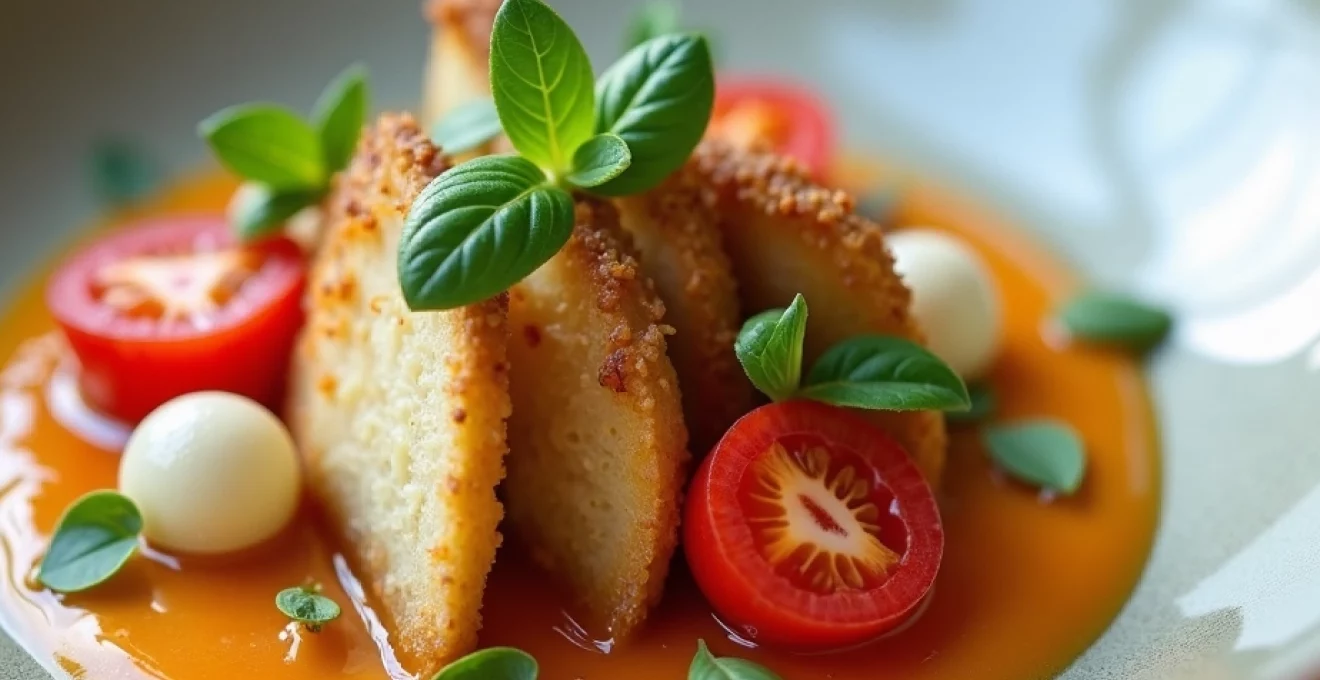
The evolution of global gastronomy represents one of humanity’s most profound cultural achievements, where centuries-old traditions intersect with cutting-edge innovation to create extraordinary culinary experiences. From the precise techniques of French haute cuisine to the fermentation sciences of Asian kitchens, each culinary tradition offers unique insights into the relationship between culture, science, and artistry. Today’s culinary landscape showcases how master chefs and food scientists collaborate to push boundaries while honoring ancestral wisdom.
Understanding these diverse culinary traditions requires more than simply following recipes—it demands appreciation for the underlying principles that govern flavor development, texture manipulation, and presentation aesthetics. The journey through world cuisines reveals how geography, climate, and cultural exchange have shaped distinctive cooking methodologies that continue to influence contemporary gastronomy.
French haute cuisine: mastering classical techniques and regional specialties
French cuisine stands as the foundation of Western culinary education, establishing systematic approaches to cooking that have influenced professional kitchens worldwide. The sophistication of French culinary arts lies not only in its refined flavors but also in its methodical approach to ingredient preparation, sauce construction, and presentation standards. This tradition emphasizes the importance of understanding fundamental techniques before attempting creative variations.
Escoffier’s brigade system and modern kitchen hierarchy implementation
Auguste Escoffier’s revolutionary brigade system transformed chaotic kitchens into efficient, organized operations where each chef specialized in specific tasks. This hierarchical structure includes the chef de cuisine overseeing operations, sous chefs managing individual stations, and specialized positions like saucier , poissonnier , and pâtissier . Modern adaptations of this system continue to optimize workflow efficiency in professional kitchens, ensuring consistent quality while enabling complex menu execution. The brigade system’s influence extends beyond French cuisine, providing organizational frameworks adopted by restaurants worldwide regardless of their culinary focus.
Sauce mother classifications: béchamel, velouté, and espagnole applications
The five mother sauces—béchamel, velouté, espagnole, hollandaise, and tomato—serve as building blocks for countless derivative sauces that define French cooking. Béchamel , the white sauce foundation, requires precise roux preparation and gradual milk incorporation to achieve silky consistency without lumps. Velouté employs white stock instead of milk, creating versatile bases for fish, chicken, or vegetable preparations. Understanding these fundamental sauce preparations enables chefs to create sophisticated flavor profiles while maintaining classical French culinary integrity.
Terroir-driven specialties from provence, burgundy, and alsace regions
French regional cuisines demonstrate how terroir —the unique combination of soil, climate, and cultural traditions—shapes distinctive culinary identities. Provence cuisine celebrates Mediterranean influences through lavender-infused honey, olive oil varieties, and herb-crusted preparations that reflect the region’s sun-drenched landscape. Burgundy’s wine culture permeates its cooking, with coq au vin and beef bourguignon showcasing how local vintages enhance traditional preparations. Alsace represents Franco-German culinary fusion, featuring choucroute garnie and gewürztraminer-paired dishes that demonstrate successful cultural culinary integration.
Michelin-starred innovation: daniel boulud and thomas keller methodologies
Contemporary French cuisine masters combine traditional techniques with innovative approaches to create memorable dining experiences. These chefs emphasize ingredient sourcing, seasonal menu development, and presentation aesthetics that honor French culinary heritage while incorporating global influences. Their methodologies focus on extracting maximum flavor through precise temperature control, timing coordination, and creative flavor combinations that surprise without overwhelming palates. Modern French cuisine continues evolving through technology integration and sustainable practices while maintaining respect for classical foundations.
Asian culinary traditions: umami development and fermentation sciences
Asian cuisines showcase sophisticated understanding of flavor development through fermentation, umami enhancement, and ingredient harmony that predates Western culinary science by millennia. These traditions emphasize balance, seasonality, and ingredient respect through cooking methods that preserve natural flavors while creating complex taste profiles. The scientific principles underlying Asian cooking techniques continue influencing global culinary innovation as chefs recognize the sophistication of traditional methods.
Japanese kaiseki progression and seasonal ingredient philosophy
Kaiseki represents Japan’s highest culinary art form, featuring multi-course meals that celebrate seasonal ingredients through precise preparation and artistic presentation. This dining philosophy emphasizes ingredient purity, with minimal manipulation allowing natural flavors to shine. Each course follows specific progression rules, beginning with sakizuke appetizers and culminating in mizumono desserts that cleanse the palate. Understanding kaiseki principles requires mastery of knife techniques, seasonal ingredient identification, and presentation aesthetics that create harmony between food and dining environment.
Chinese wok hei technique and regional cooking methods analysis
Chinese cuisine encompasses diverse regional styles unified by fundamental cooking principles and ingredient treatment methods. Wok hei , literally “breath of the wok,” describes the distinctive smoky flavor achieved through high-temperature stir-frying that requires precise timing and ingredient sequencing. Regional variations include Cantonese dim sum traditions, Sichuan’s bold spice profiles, and Beijing’s imperial cooking heritage. Mastering Chinese cooking requires understanding heat control, ingredient cutting techniques, and sauce balancing that creates harmonious flavor profiles without masking individual ingredients.
Korean fermentation mastery: kimchi, doenjang, and gochujang production
Korean cuisine demonstrates advanced fermentation techniques through traditional preparations like kimchi , doenjang , and gochujang that develop complex flavors while providing nutritional benefits. Kimchi fermentation involves precise salt ratios, temperature control, and timing that creates beneficial bacterial cultures while developing signature tangy flavors. Doenjang fermentation requires months of careful monitoring to achieve proper texture and umami depth. These fermented ingredients serve as flavor foundations for Korean cooking, demonstrating how traditional food preservation methods enhance rather than merely preserve ingredients.
Thai balance theory: sweet, sour, salty, and spicy flavor harmonization
Thai cuisine exemplifies flavor balance theory through dishes that simultaneously incorporate sweet, sour, salty, and spicy elements without overwhelming the palate. This balance requires understanding ingredient interaction, with palm sugar offsetting lime acidity while fish sauce provides umami depth and chilies add heat dimension. Traditional Thai cooking emphasizes fresh herb incorporation, with basil varieties, cilantro, and mint adding aromatic complexity. Achieving authentic Thai flavors demands respect for traditional ingredient ratios while adapting to local ingredient availability.
Mediterranean gastronomy: olive oil chemistry and ancient grain integration
Mediterranean cuisine represents one of the world’s healthiest and most sustainable culinary traditions, emphasizing fresh ingredients, minimal processing, and cooking methods that preserve nutritional value while developing rich flavors. The region’s diverse cultures—spanning Southern Europe, North Africa, and the Middle East—share common ingredients like olive oil, grains, legumes, and fresh vegetables that form the foundation of this celebrated dietary pattern.
Extra virgin olive oil serves as both cooking medium and flavor enhancement, with different varieties offering distinct taste profiles ranging from peppery and robust to mild and buttery. Understanding olive oil chemistry reveals how polyphenol compounds contribute to both flavor complexity and health benefits. Cold-pressing techniques preserve these beneficial compounds while maintaining the oil’s distinctive characteristics. The timing of olive harvest significantly impacts oil quality, with early harvest oils typically offering more intense flavors and higher antioxidant content.
Ancient grains like farro, freekeh, and bulgur wheat provide textural variety and nutritional density that modern refined grains often lack. These heritage varieties retain their bran and germ, offering complex flavors and extended satiety. Mediterranean preparation methods for these grains include pilaf techniques that toast grains before liquid addition, creating nutty flavors and improved texture. The integration of legumes like chickpeas, lentils, and fava beans demonstrates protein combining strategies that create complete amino acid profiles without relying on animal proteins.
The Mediterranean approach to vegetables emphasizes seasonal availability and minimal cooking intervention, allowing natural flavors to predominate while creating satisfying, nutritionally dense meals.
Traditional preservation methods like salt-curing olives, sun-drying tomatoes, and aging cheeses create concentrated flavors that enhance simple preparations. These techniques developed from necessity but continue because they intensify flavors while extending ingredient usability. Modern Mediterranean cooking balances these traditional preserved ingredients with fresh seasonal produce, creating dishes that offer both immediate satisfaction and long-term health benefits.
Latin american fusion: Pre-Columbian techniques and contemporary applications
Latin American cuisine showcases the fascinating culinary evolution that occurred when indigenous ingredients and techniques merged with European, African, and Asian influences. This fusion created unique flavor profiles and cooking methods that continue influencing global gastronomy. Understanding Latin American cooking requires appreciation for both ancient indigenous wisdom and colonial adaptations that shaped regional cuisines across diverse geographical landscapes.
Pre-Columbian civilizations developed sophisticated agricultural and culinary techniques that maximized nutrition from available ingredients. The Three Sisters cultivation method—corn, beans, and squash grown together—created sustainable agriculture while providing complementary proteins and nutrients. Nixtamalization , the process of treating corn with alkali to improve nutritional value and workability, demonstrates indigenous food science sophistication. These traditional methods enhanced ingredient digestibility while creating distinctive flavors that remain central to Mexican and Central American cuisines.
Contemporary Latin American chefs honor traditional techniques while incorporating modern culinary innovation. Peruvian cuisine exemplifies this approach through ceviche preparations that combine indigenous citrus curing methods with Japanese knife techniques and presentation aesthetics. The aji amarillo pepper provides distinctive heat and flavor that distinguishes Peruvian dishes from other Latin American cuisines. Modern interpretations maintain traditional flavor profiles while incorporating contemporary plating and preparation methods.
Mexican mole represents one of the world’s most complex sauce preparations, incorporating dozens of ingredients including various chilies, chocolate, nuts, and spices. Traditional mole preparation requires days of careful ingredient toasting, grinding, and cooking to achieve proper flavor development and texture consistency. Each region maintains distinct mole variations, with Oaxacan moles offering particularly sophisticated flavor profiles. Understanding mole preparation provides insights into indigenous flavor layering techniques that create depth without overwhelming individual ingredient characteristics.
Molecular gastronomy: scientific equipment and textural transformation methods
Molecular gastronomy represents the scientific approach to cooking that examines the physical and chemical transformations occurring during food preparation. This culinary movement employs laboratory techniques and equipment to create innovative textures, presentations, and flavor combinations that challenge traditional cooking assumptions. Understanding molecular gastronomy requires knowledge of food science principles, specialized equipment operation, and creative application of scientific methods to culinary challenges.
Spherification techniques using sodium alginate and calcium chloride
Spherification creates liquid-filled spheres that burst with flavor when consumed, utilizing calcium-sodium reactions to form flexible membranes around liquid centers. Basic spherification involves submerging calcium-rich liquids in sodium alginate baths, while reverse spherification uses calcium chloride solutions to create spheres containing acidic or alcoholic liquids. The technique requires precise chemical ratios and timing to achieve desired membrane thickness and liquid consistency. Understanding pH levels and calcium content helps predict spherification success and enables creative applications with various beverages and broths.
Liquid nitrogen applications for temperature contrast creation
Liquid nitrogen’s extremely low temperature (-196°C) enables instant freezing effects that create dramatic temperature contrasts and unique textural experiences. Safety protocols are essential when handling liquid nitrogen, requiring proper ventilation, protective equipment, and understanding of expansion ratios. Applications include flash-freezing fruits to create shattered textures, preparing instant ice creams, and creating smoking presentations for dramatic visual effects. The technique allows preservation of delicate flavors while creating surprising textural contrasts that engage diners’ sensory expectations.
Hydrocolloid utilization: agar, xanthan gum, and gellan implementation
Hydrocolloids provide texture modification capabilities that extend far beyond traditional thickening agents, enabling creation of gels, foams, and fluid gels with unique properties. Agar creates thermoreversible gels that maintain stability at higher temperatures than gelatin while offering clean flavor release. Xanthan gum provides thickening power with minimal quantity requirements and creates unique mouthfeel sensations. Gellan offers both hard and soft gel possibilities depending on preparation methods. Understanding hydrocolloid interactions enables chefs to create innovative textures while maintaining flavor integrity.
Ferran adrià’s elbulli legacy and grant achatz’s alinea innovations
Revolutionary chefs transformed molecular gastronomy from laboratory curiosity to mainstream culinary influence through creative applications of scientific principles. Their innovations demonstrated how scientific understanding enhances rather than replaces traditional cooking skills. The legacy includes emphasis on ingredient transformation, presentation innovation, and dining experience design that engages multiple senses. Modern molecular gastronomy continues evolving through technology advancement and broader ingredient availability, making sophisticated techniques accessible to more culinary professionals.
Sustainable culinary practices: Farm-to-Table supply chain optimization
Sustainable culinary practices have evolved from niche concern to essential operational strategy as restaurants and consumers increasingly recognize the environmental and quality benefits of responsible sourcing. This movement encompasses local ingredient sourcing, waste reduction strategies, energy-efficient cooking methods, and seasonal menu planning that supports both environmental sustainability and superior flavor outcomes. Understanding sustainable practices requires knowledge of supply chain logistics, seasonal availability patterns, and cooking techniques that maximize ingredient utilization while minimizing waste.
Local sourcing relationships require developing partnerships with regional farmers, ranchers, and producers that ensure consistent quality while supporting local food systems. These relationships often involve advance planning for seasonal ingredient availability, with chefs adjusting menus based on harvest timing and weather conditions. Community-supported agriculture programs provide restaurants with regular produce deliveries while offering farmers guaranteed income and market stability. Such partnerships enable chefs to access premium ingredients at optimal freshness while reducing transportation-related environmental impacts.
Nose-to-tail cooking and root-to-stem vegetable utilization demonstrate how traditional techniques address modern sustainability concerns while creating unique flavor opportunities. Bone marrow, organ meats, and less popular cuts require specialized preparation techniques that transform perceived waste into culinary highlights. Vegetable scraps become stocks, broths, and garnishes through creative utilization methods. These approaches reduce food waste while often providing more intense flavors and nutritional density than conventional ingredient usage patterns.
Seasonal menu design requires understanding ingredient peak seasons, preservation methods, and cooking techniques that celebrate ingredients at their optimal quality and availability.
Energy-efficient cooking methods include sous vide techniques that reduce energy consumption while improving consistency, steaming methods that preserve nutrients, and batch cooking strategies that maximize equipment utilization. Understanding heat transfer principles enables chefs to select cooking methods that achieve desired results with minimal energy expenditure. Cold preparation techniques, fermentation, and curing methods create complex flavors without requiring significant energy inputs while extending ingredient usability.
Composting and waste reduction programs transform kitchen scraps into valuable soil amendments while reducing disposal costs and environmental impact. Successful programs require staff training, proper container systems, and relationships with local composting facilities or gardens. Oil recycling, packaging reduction strategies, and reusable container programs further minimize restaurant environmental footprints. These initiatives often reduce operational costs while demonstrating commitment to environmental responsibility that increasingly influences consumer dining decisions.