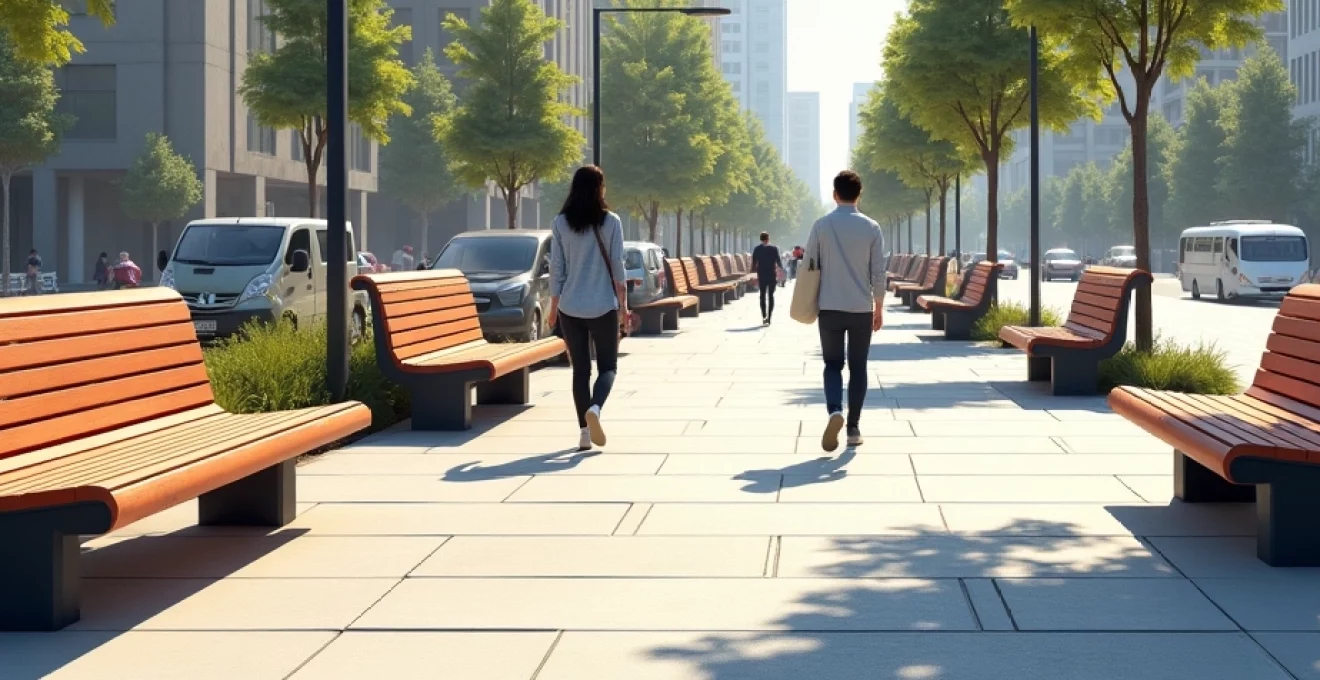
Urban benches serve as silent architects of community life, transforming ordinary sidewalks and parks into vibrant gathering spaces where strangers become neighbors and solitary moments find peaceful refuge. These seemingly simple pieces of street furniture wield remarkable influence over how people interact with public spaces, determining whether a plaza becomes a bustling social hub or remains an empty transit zone. The strategic placement and thoughtful design of benches can revitalize entire neighborhoods, creating micro-destinations that encourage lingering, conversation, and the spontaneous encounters that make cities feel truly alive.
Modern urban planning increasingly recognizes that quality public seating represents far more than a convenience amenity. Research demonstrates that well-designed bench installations can reduce social isolation by 23% in urban areas while increasing property values within a 200-meter radius by up to 8%. These statistics reflect a deeper understanding that public furniture directly impacts mental health, community cohesion, and economic vitality in measurable ways.
Benches enhance public spaces aesthetically and functionally
The visual impact of bench design extends far beyond mere functionality, serving as sculptural elements that define the character and atmosphere of public spaces. Contemporary urban designers understand that benches function as spatial punctuation marks , creating rhythm and flow within the urban landscape while establishing visual anchors that help people navigate and remember places. A well-chosen bench can transform a sterile concrete plaza into an inviting community gathering space, much like how a comfortable chair can make a house feel like a home.
Strategic bench placement creates what urban planners call « positive loitering zones » – areas where people naturally want to spend time rather than simply pass through. These zones generate economic activity for nearby businesses, with studies showing that commercial districts with adequate public seating experience 15-20% higher foot traffic compared to areas lacking comfortable resting spots. The public benches for community gathering serve as catalysts for these beneficial transformations, proving that good design pays dividends across multiple dimensions of urban life.
Functional considerations in bench design encompass factors like sight lines, weather protection, and accessibility compliance. Modern benches incorporate features such as integrated armrests for elderly users, appropriate back support angles, and materials that remain comfortable across temperature extremes. The height and depth specifications follow universal design principles, ensuring that people of various physical abilities can use the seating comfortably. These seemingly minor details collectively determine whether a bench becomes a beloved community asset or an underutilized street obstacle.
The aesthetic integration of benches with their surroundings requires careful consideration of architectural styles, landscape elements, and cultural context. Successful bench installations complement rather than compete with existing design elements, creating harmonious compositions that enhance rather than detract from the overall visual experience. Color choices, material textures, and formal proportions all contribute to this integration, with the best examples achieving a balance between distinctive character and contextual sensitivity.
Innovative bench materials offer durability and style
Material selection for public benches represents a critical decision point that affects longevity, maintenance costs, user comfort, and environmental impact over the furniture’s entire lifecycle. Traditional materials like wood and metal continue to evolve through technological innovations, while emerging options like recycled plastics and composite materials offer compelling alternatives that address contemporary sustainability concerns. The choice between materials involves weighing factors such as initial cost, maintenance requirements, weather resistance, and aesthetic preferences against long-term performance expectations.
Climate considerations play a crucial role in material selection, as different environments present unique challenges for outdoor furniture. Coastal installations must resist salt corrosion, urban settings demand vandalism resistance, and regions with extreme temperature variations require materials that won’t crack, warp, or become uncomfortably hot or cold. Understanding these environmental stresses helps inform material choices that will provide reliable service over decades rather than years.
Wood benches provide natural warmth and charm
Wood remains the most psychologically appealing bench material, offering natural warmth and texture that creates an immediate sense of comfort and approachability. Research in environmental psychology shows that people spend 35% longer on wooden benches compared to metal alternatives, attributing this preference to wood’s tactile qualities and visual association with nature. Modern wood treatments have addressed traditional concerns about maintenance and durability, with advanced sealers and preservatives extending service life to 15-20 years even in challenging climates.
Sustainable wood sourcing has become increasingly important as environmental consciousness grows among both manufacturers and municipalities. Forest Stewardship Council certified woods ensure responsible harvesting practices, while reclaimed timber offers unique character and reduces environmental impact. Tropical hardwoods like teak and mahogany provide exceptional weather resistance but require careful sourcing verification, while domestic species like cedar and oak offer good performance with lower transportation impacts.
Metal benches deliver modern sleekness and strength
Steel and aluminum benches provide unmatched durability and security, making them ideal for high-traffic areas where vandalism resistance and low maintenance are priorities. Powder coating technologies have revolutionized metal bench aesthetics, offering virtually unlimited color options while providing superior protection against rust, scratches, and UV degradation. Modern metal benches can maintain their appearance for 25-30 years with minimal maintenance, representing excellent long-term value despite higher initial costs.
Thermal comfort concerns with metal seating have been addressed through innovative design solutions such as integrated heat-dissipating features and hybrid constructions that combine metal frames with wood or composite seating surfaces. Perforated metal designs allow air circulation while maintaining structural integrity, while textured finishes reduce glare and improve grip. These refinements have made metal benches more user-friendly while preserving their practical advantages in demanding environments.
Recycled plastic benches support sustainability and resilience
Recycled plastic lumber represents the cutting edge of sustainable bench construction, diverting waste from landfills while creating products that outlast traditional materials. A single bench constructed from recycled plastic typically incorporates the equivalent of 1,200-1,500 plastic bottles, demonstrating the significant environmental impact of material choices. These benches resist moisture, insects, and UV radiation without chemical treatments, making them particularly suitable for parks, playgrounds, and other areas where chemical concerns might arise.
The aesthetic evolution of recycled plastic materials has overcome early limitations in color and texture options. Modern manufacturing techniques produce surfaces that closely mimic wood grain while offering superior dimensional stability and weather resistance. High-density polyethylene formulations maintain their appearance and structural integrity for 30-50 years, requiring only occasional cleaning to look new. This longevity makes recycled plastic benches increasingly cost-effective despite premium initial pricing.
Ergonomic bench designs prioritize user comfort and accessibility
Ergonomic considerations in bench design extend far beyond basic sitting comfort, encompassing factors that affect user safety, accessibility, and long-term physical well-being. Proper seat height, back angle, and armrest positioning can mean the difference between a bench that welcomes extended use and one that causes discomfort after just a few minutes. Research in occupational therapy has established optimal dimensions that accommodate the widest range of users while supporting proper posture and reducing strain on joints and muscles.
The standard bench height of 17-18 inches serves most adult users effectively, but variations in this dimension can accommodate specific populations or use cases. Higher seats benefit elderly users who may struggle with low seating, while lower profiles work better for children’s areas or informal gathering spaces. Back support angles between 100-110 degrees provide optimal comfort for extended sitting, while armrests positioned 7-9 inches above the seat surface assist users with mobility limitations. These specifications represent decades of research into human factors engineering applied to public furniture design.
Universal accessibility requirements have transformed bench design to ensure equal access for people with disabilities. The Americans with Disabilities Act mandates clear space adjacent to bench installations for wheelchair users, while bench positioning must not obstruct accessible pathways. Some installations incorporate companion seating areas specifically designed for wheelchair users, creating inclusive spaces where people with and without mobility devices can sit together comfortably. These considerations reflect a broader shift toward designing public spaces that welcome all community members regardless of physical capabilities.
Comfort features like contoured seating surfaces, lumbar support, and weather-resistant cushioning enhance the user experience while maintaining durability requirements. Innovative designs incorporate subtle curves and texture variations that improve comfort without compromising structural integrity or ease of maintenance. Anti-slip surfaces prevent accidents during wet conditions, while drainage features prevent water accumulation that could damage materials or create uncomfortable sitting conditions.
The best public benches disappear into the user experience, providing effortless comfort that allows people to focus on their surroundings, companions, or personal reflection rather than physical discomfort.
Strategically placed benches encourage social interaction and respite
The location and orientation of bench installations dramatically influence their utilization patterns and social functions within public spaces. Strategic placement can create natural conversation zones, encourage chance encounters between community members, and provide essential rest stops for pedestrians navigating urban environments. Research in environmental psychology demonstrates that bench positioning affects not only usage frequency but also the types of social interactions that occur, with face-to-face arrangements promoting conversation while parallel orientations supporting people-watching and quiet contemplation.
Successful bench installations consider both immediate context and broader circulation patterns within public spaces. Benches positioned near activity nodes like playgrounds, water features, or transit stops experience higher utilization than those placed in isolated locations. However, some users specifically seek quiet retreat spaces, making a mix of social and solitary seating options ideal for most public spaces. The key lies in understanding user needs and designing seating arrangements that accommodate diverse preferences and activities.
Micro-climate considerations play a crucial role in bench placement effectiveness. Installations that provide afternoon shade during summer months while capturing morning sun in cooler seasons create comfortable conditions year-round. Wind exposure, proximity to traffic noise, and views of natural or architectural features all influence user comfort and satisfaction. Environmental mapping techniques help identify optimal locations that balance these competing factors to maximize bench utilization across different seasons and times of day.
The spacing between benches affects social dynamics in subtle but important ways. Closely spaced seating encourages group gatherings and conversation, while wider spacing supports individual use and personal space preferences. Mixed configurations allow groups to cluster multiple benches when needed while providing options for solitary users. This flexibility proves particularly valuable in diverse urban environments where public spaces must accommodate varying cultural norms around personal space and social interaction.
Security considerations influence bench placement strategies, particularly in areas with concerns about antisocial behavior or nighttime safety. Well-lit locations with good sightlines support natural surveillance while avoiding creating hidden spaces that might attract unwanted activities. The balance between openness and comfort requires careful consideration of local conditions and community concerns, often involving input from police, business owners, and residents during the planning process.
Thoughtfully positioned benches transform public spaces from mere transit zones into destinations where community life can flourish spontaneously.
Well-maintained benches contribute to vibrant livable cities
Regular maintenance programs ensure that public benches continue serving their community functions while preserving the initial investment in quality street furniture. Maintenance requirements vary significantly based on material choices, environmental conditions, and usage intensity, but all bench installations benefit from scheduled cleaning, inspection, and preventive care protocols. Studies indicate that well-maintained public furniture installations can last 50-75% longer than neglected ones, making maintenance a critical factor in lifecycle cost calculations.
Preventive maintenance approaches prove more cost-effective than reactive repairs, addressing minor issues before they develop into major problems requiring expensive interventions or complete replacement. Seasonal maintenance schedules account for weather-related stresses, with spring cleaning removing winter salt and debris, summer inspections checking for UV damage, fall preparations securing loose components, and winter monitoring for freeze-thaw damage. These proactive measures significantly extend service life while maintaining appearance and functionality standards.
Community engagement in bench maintenance creates ownership feelings that reduce vandalism while building social connections around shared public assets. Volunteer programs, adopt-a-bench initiatives, and neighborhood stewardship groups have proven effective in supplementing municipal maintenance resources while fostering civic pride. These programs often include basic cleaning, minor repairs, and regular condition reporting that helps maintenance crews prioritize their efforts efficiently.
Material-specific maintenance requirements influence long-term ownership costs and should factor into initial selection decisions. Wood benches require periodic refinishing and replacement of damaged components, while metal installations need repainting and rust prevention treatments. Recycled plastic benches require minimal maintenance but may need occasional deep cleaning or component replacement. Understanding these requirements helps municipalities budget appropriately for ongoing care and replacement cycles.
The visual impact of bench condition extends beyond the immediate furniture to influence perceptions of neighborhood quality and municipal competence. Broken window theory suggests that visible deterioration of public amenities signals broader community decline, potentially triggering additional problems through reduced civic engagement and increased antisocial behavior. Conversely, well-maintained public furniture contributes to positive community image and resident satisfaction, creating upward spirals of improvement and investment.
Technology integration offers new opportunities for maintenance efficiency and user experience enhancement. Smart benches equipped with sensors can monitor usage patterns, environmental conditions, and maintenance needs while providing amenities like wireless charging and internet access. These innovations require additional maintenance considerations but offer potential for improved service delivery and data-driven decision making about public space management. Pilot programs in major cities demonstrate both the promise and challenges of incorporating technology into traditional street furniture designs.
Public benches serve as indicators of municipal commitment to quality of life, with their condition reflecting broader attitudes toward shared community assets and civic responsibility.
The evolution of bench design continues responding to changing urban needs, climate challenges, and social expectations around public space quality. Smart materials, sustainable manufacturing processes, and user-centered design approaches promise continued improvements in functionality, durability, and aesthetic appeal. As cities worldwide grapple with issues of social isolation, climate change, and public health, the humble bench remains a powerful tool for creating more livable, connected, and resilient communities.