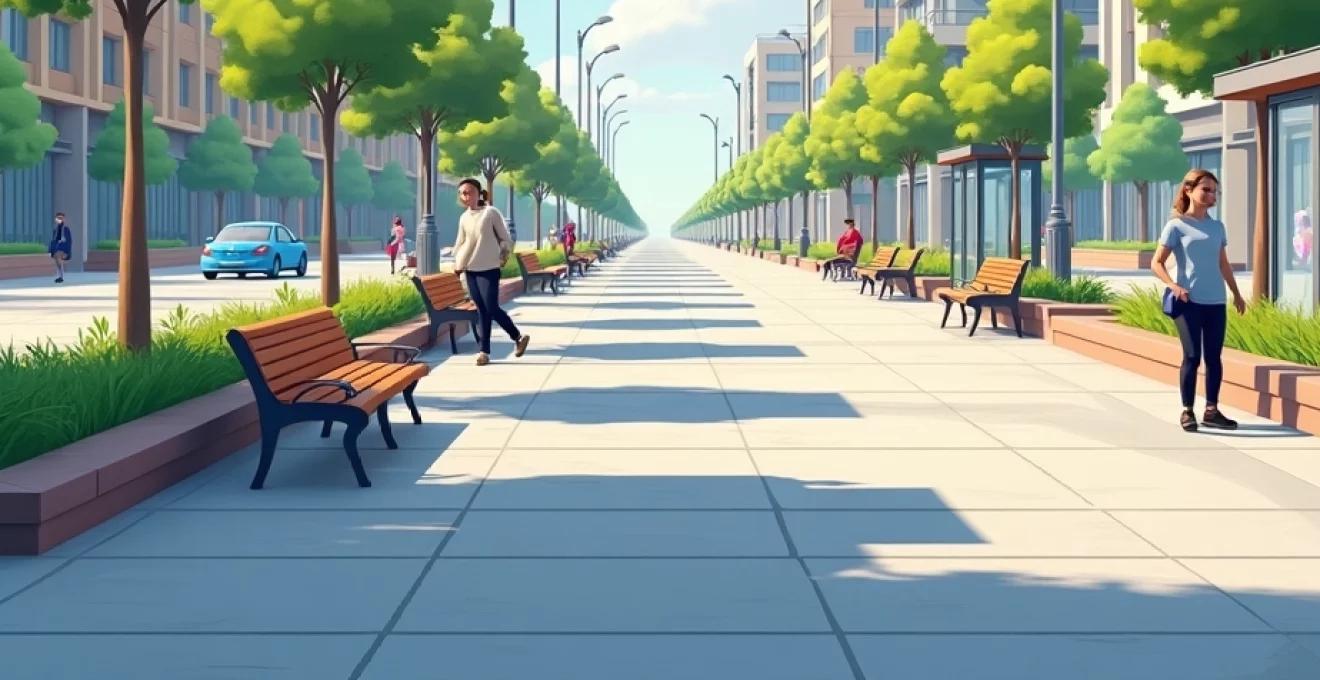
Urban environments across the globe are experiencing a renaissance as city planners and communities recognize the critical importance of well-designed public spaces. The transformation of these areas relies heavily on the expertise of professionals who understand how strategic placement and thoughtful design of street furniture can completely reimagine how people interact with their surroundings. From bustling city centers to quiet neighborhood squares, the right approach to urban furnishing creates spaces that not only serve practical functions but also foster community engagement, enhance safety, and contribute to the overall quality of life for residents and visitors alike.
The role of specialized professionals in this transformation cannot be overstated. They bring together technical knowledge, aesthetic sensibility, and deep understanding of human behavior to create outdoor environments that truly serve their communities. As urban populations continue to grow and the demand for quality public spaces increases, the expertise of these specialists becomes increasingly valuable in shaping the cities of tomorrow.
Enhancing comfort and accessibility in urban areas
The foundation of any successful public space transformation lies in its ability to accommodate people of all ages and abilities. A Street Furniture specialist approaches each project with a comprehensive understanding of universal design principles, ensuring that every element contributes to an inclusive environment. This philosophy extends beyond simple compliance with accessibility standards to create spaces that genuinely welcome and support diverse community members in their daily activities.
Modern urban design recognizes that comfort and accessibility are not luxury additions but essential requirements for creating spaces that truly serve their communities. The strategic selection and placement of furniture elements can dramatically impact how people navigate, use, and feel about public spaces. When done correctly, these interventions create seamless experiences that enhance rather than hinder movement and social interaction throughout urban environments.
Ergonomic seating options for all ages
Contemporary seating solutions go far beyond the traditional park bench, incorporating sophisticated understanding of human ergonomics and diverse user needs. Specialists in street furniture design recognize that different age groups require different support systems, leading to the development of seating options that accommodate everyone from young children to elderly residents with mobility challenges.
Innovative seating designs now feature varying heights, back support options, and armrest configurations that make sitting and standing easier for people with different physical capabilities. Some installations include integrated features such as built-in tables for laptop work or dining, while others offer modular configurations that can be adjusted based on seasonal usage patterns or special community events.
Improved lighting for increased safety
Strategic lighting placement transforms public spaces from areas that empty after dark into vibrant evening destinations. Modern lighting solutions extend far beyond basic illumination, incorporating smart technologies that respond to pedestrian movement, adjust brightness based on ambient conditions, and even provide emergency communication capabilities.
The psychological impact of well-designed lighting cannot be underestimated. Properly illuminated spaces create feelings of safety and welcome that encourage extended use and community gatherings. Smart lighting systems can also collect valuable data about space usage patterns, helping city planners make informed decisions about future improvements and modifications.
Integrating ramps and handrails seamlessly
The most successful accessibility features are those that integrate so naturally into the overall design that they enhance the aesthetic appeal while serving their functional purpose. Rather than treating accessibility as an afterthought, skilled specialists incorporate these elements as central design features that contribute to the overall character and usability of the space.
Modern approaches to accessibility integration utilize materials and forms that complement the surrounding architecture while providing necessary support. This might include tactile paving that doubles as decorative elements, or handrails that serve as sculptural features while providing essential support for navigation and mobility assistance.
Promoting sustainable materials and green spaces
Environmental consciousness has become a driving force in contemporary urban design, with street furniture specialists leading the charge toward more sustainable and ecologically responsible public spaces. The selection of materials now involves careful consideration of their entire lifecycle, from production and transportation to eventual disposal or recycling. This holistic approach ensures that improvements to public spaces contribute positively to environmental goals while maintaining durability and aesthetic appeal.
The integration of green elements within street furniture design creates multiple benefits that extend well beyond visual appeal. Living infrastructure helps manage stormwater runoff, improves air quality, provides habitats for urban wildlife, and creates cooling effects that make outdoor spaces more comfortable during hot weather. These natural systems work in harmony with manufactured elements to create resilient urban environments that can adapt to changing climate conditions.
Sustainable material choices increasingly favor locally sourced options that reduce transportation impacts while supporting regional economies. Reclaimed wood, recycled metals, and innovative composite materials made from waste products are becoming standard options in the street furniture specialist’s toolkit. These materials often offer superior durability while telling positive environmental stories that communities can take pride in.
The most effective sustainable street furniture solutions create closed-loop systems where materials can be continuously reused and repurposed as community needs evolve over time.
Modular design principles support sustainability by allowing furniture elements to be reconfigured, expanded, or partially replaced without requiring complete reinstallation. This flexibility reduces waste while enabling spaces to evolve organically with their communities. Planters integrated into seating systems, solar panels incorporated into lighting structures, and rainwater collection features built into decorative elements exemplify how contemporary design seamlessly blends functionality with environmental responsibility.
Creating engaging social hubs and gathering points
The transformation of public spaces into vibrant social destinations requires careful orchestration of elements that naturally encourage human interaction and community building. Street furniture specialists understand that successful social spaces cannot be created through furniture placement alone, but rather emerge from thoughtful consideration of how different elements work together to support various types of gatherings and activities throughout different times of day and seasons.
Contemporary approaches to social space design recognize that different community members have varying comfort levels and preferences for social interaction. Some people prefer intimate conversation areas, while others enjoy larger gathering spaces for events or performances. The most successful installations provide options for both active engagement and passive observation, allowing individuals to choose their level of participation while still feeling connected to the broader community activity.
Innovative designs encouraging social interaction
Modern street furniture incorporates subtle psychological principles that naturally facilitate social connection without forcing unwanted interactions. Curved seating arrangements, for example, create more natural conversation opportunities than straight benches, while varied seating heights accommodate different group dynamics and personal preferences.
Interactive elements such as community chessboards, outdoor fitness equipment, or artistic installations provide natural conversation starters and shared experiences that help break down social barriers. These features serve as social catalysts that give people reasons to pause, engage, and connect with others in their community, fostering relationships that extend beyond the immediate physical space.
Modular configurations adapting to community needs
The flexibility offered by modular street furniture systems allows communities to respond dynamically to changing needs and seasonal variations. During summer months, configurations might emphasize shaded seating and dining areas, while winter arrangements could focus on wind protection and warming stations.
This adaptability extends to accommodating special events such as farmers markets, outdoor concerts, or community festivals. Reconfigurable systems enable rapid transformation of everyday spaces into event venues without requiring permanent alterations or significant additional equipment. The ability to adapt quickly to community needs helps ensure that public investments remain relevant and valuable over time.
Incorporating interactive elements and artwork
The integration of artistic elements and interactive features transforms functional street furniture into engaging community landmarks that reflect local culture and values. These elements might include sculptural seating that doubles as public art, interactive water features that provide both recreation and cooling, or digital displays that share community information and celebrate local achievements.
Successful artistic integration requires collaboration between street furniture specialists, local artists, and community members to ensure that creative elements enhance rather than overwhelm the functional aspects of the space. The most effective installations create memorable experiences that encourage repeat visits while serving practical daily needs for rest, gathering, and navigation.
Optimizing functionality through smart design solutions
The evolution of street furniture design increasingly incorporates intelligent technologies that enhance functionality while maintaining user-friendly interfaces. Smart benches now offer wireless charging capabilities, WiFi access, and environmental monitoring systems that contribute to both individual convenience and broader urban data collection efforts. These technological integrations represent a significant advancement from traditional static furniture toward responsive systems that adapt to user needs and environmental conditions.
Effective smart design solutions prioritize intuitive operation that requires minimal learning curves for users of all technological comfort levels. The most successful installations integrate technology so seamlessly that enhanced functionality feels natural rather than overwhelming. This approach ensures that technological features enhance rather than complicate the basic human experiences of rest, gathering, and community interaction that public spaces are designed to support.
Data collection capabilities built into modern street furniture provide valuable insights for urban planning and maintenance optimization. Sensors can monitor usage patterns, environmental conditions, and infrastructure performance, enabling more informed decision-making about space improvements and resource allocation. However, privacy considerations must be carefully balanced with data utility to maintain community trust and acceptance.
The most effective smart street furniture solutions enhance human experiences while contributing to broader urban intelligence systems that improve city-wide efficiency and livability.
Maintenance efficiency represents another critical aspect of smart design implementation. Self-diagnosing systems can alert maintenance crews to issues before they become major problems, while modular construction allows for targeted repairs and upgrades without disrupting entire installations. These features significantly reduce long-term operational costs while ensuring consistent availability and performance of public amenities.
Harmonizing aesthetics with surrounding architecture
The visual integration of street furniture within existing urban contexts requires sophisticated understanding of architectural relationships, historical significance, and community character. Street furniture specialists must balance contemporary functionality with respect for established aesthetic traditions, creating installations that feel both fresh and appropriately contextual. This delicate balance ensures that new additions enhance rather than clash with their surroundings while meeting modern performance and accessibility requirements.
Material selection plays a crucial role in achieving aesthetic harmony, with specialists carefully considering how different finishes, textures, and colors will interact with surrounding buildings, landscapes, and seasonal changes. The goal is to create visual continuity that makes street furniture feel like a natural extension of the existing environment rather than an imposed addition. This approach helps build community acceptance while maximizing the positive impact on property values and overall neighborhood appeal.
Scale relationships between furniture elements and surrounding structures require careful calibration to avoid overwhelming intimate spaces or appearing insignificant within grand architectural contexts. Successful installations demonstrate proportional sensitivity that respects the existing hierarchy of urban elements while asserting their own functional presence. This balance ensures that street furniture contributes positively to the overall composition of public spaces without competing inappropriately with architectural landmarks or natural features.
True aesthetic success in street furniture design occurs when new installations feel so naturally integrated that community members cannot imagine the space existing without them.
Contemporary approaches to aesthetic integration also consider how furniture elements will age and weather over time, selecting materials and finishes that will develop attractive patinas rather than simply deteriorating. This long-term perspective ensures that installations continue contributing positively to their environments throughout their entire lifecycle. The most successful designs actually improve with age, developing character and cultural significance that deepens their connection to the community and place they serve.