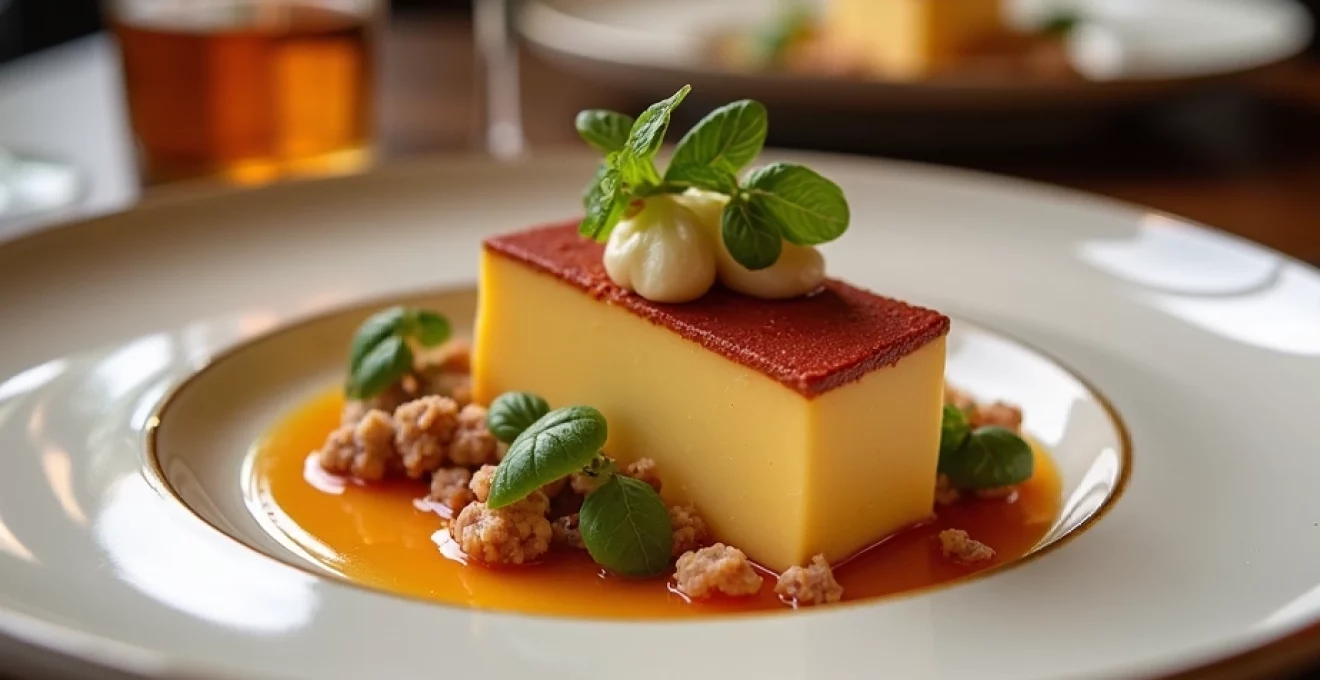
The world of luxury tastings represents the pinnacle of gastronomic refinement, where every element—from the molecular structure of champagne bubbles to the precise temperature control of sous vide preparations—is meticulously crafted to create transformative experiences. These sophisticated encounters transcend simple consumption, offering participants an opportunity to engage with culinary artistry at its highest level. Through expert guidance and premium ingredients, luxury tastings awaken dormant sensory pathways and expand palate awareness beyond conventional dining boundaries.
Modern luxury tasting experiences combine centuries-old traditions with cutting-edge scientific innovation, creating multisensory journeys that challenge preconceptions about flavor, texture, and presentation. Whether exploring the terroir expression in vintage champagnes or witnessing molecular gastronomy techniques in real-time, these curated experiences provide access to knowledge and craftsmanship typically reserved for industry professionals and discerning connoisseurs.
Michelin-starred wine pairing methodologies and Sommelier-Guided experiences
The art of wine pairing in Michelin-starred establishments represents a sophisticated dialogue between sommelier expertise and culinary creativity. Professional sommeliers employ systematic approaches to flavor matching that consider not only primary taste elements but also secondary characteristics such as tannin structure, acidity levels, and aromatic compounds. These methodologies create harmony between food and wine that amplifies both components, resulting in flavor experiences greater than the sum of their individual parts.
Expert sommeliers analyze dozens of variables when crafting pairings, including the wine’s vintage characteristics, the dish’s cooking methods, and even the dining environment’s temperature and lighting. This holistic approach ensures that each pairing creates optimal sensory conditions for flavor appreciation. The precision required in professional wine service extends beyond simple taste matching to encompass timing, temperature control, and glassware selection, with each element contributing to the overall tasting experience.
Terroir expression through vintage selection at dom pérignon and krug champagne houses
Premium champagne houses like Dom Pérignon and Krug demonstrate terroir expression through meticulous vintage selection processes that capture the essence of specific growing seasons. Each vintage represents a unique environmental fingerprint, influenced by rainfall patterns, temperature fluctuations, and soil composition during the growing season. Master blenders at these prestigious houses spend years developing their palates to identify these subtle terroir variations, creating champagnes that serve as liquid time capsules of their respective harvests.
The vintage selection process involves systematic tasting protocols where multiple vineyard parcels are evaluated for their contribution to the final blend. This scientific approach to terroir expression allows experienced tasters to identify specific vineyard characteristics, grape varietals, and seasonal influences within complex champagne compositions. Understanding these nuances enhances appreciation for the craftsmanship involved in premium champagne production.
Single malt scotch whisky tasting protocols from macallan and glenfiddich distilleries
Scottish distilleries employ sophisticated tasting protocols that reveal the complex flavor development occurring during extended aging processes. Professional whisky evaluation follows structured methodologies that assess color, nose, palate, and finish characteristics through systematic sampling techniques. These protocols enable tasters to identify specific barrel influences, including wood type, previous contents, and aging environment effects on the final product.
The tasting process begins with visual assessment, examining color depth and clarity to determine potential aging duration and cask influence. Nosing techniques involve specific breathing patterns and glass positioning to optimize aroma detection, while palate evaluation considers initial impact, flavor development, and lingering characteristics. Master distillers use these protocols to maintain consistency across batches while identifying exceptional casks for single barrel releases.
Burgundy grand cru classification systems in côte d’or vineyard tastings
The Burgundy classification system represents one of wine’s most sophisticated terroir mapping exercises, with Grand Cru vineyards producing wines that express distinct soil compositions and microclimate influences. Tasting through these classifications reveals how slight geographical variations create dramatically different flavor profiles, even from identical grape varietals grown mere meters apart. This system provides an educational framework for understanding how environmental factors influence wine character at the most granular level.
Grand Cru tastings demonstrate the relationship between geological formations and flavor development, with each vineyard’s unique mineral composition contributing specific characteristics to the wine. Professional tastings of these wines follow protocols that isolate terroir influences from winemaking techniques, allowing participants to experience pure expressions of vineyard character. The classification system serves as a roadmap for palate development, providing reference points for identifying terroir signatures in other wine regions.
Japanese sake brewing techniques and junmai daiginjo tasting elements
Japanese sake production employs brewing techniques that create flavor complexity through controlled fermentation processes and rice polishing ratios. Junmai Daiginjo represents the premium category of sake, requiring rice polishing to remove at least 50% of the grain’s outer layers, concentrating flavors and creating refined taste profiles. These production methods result in sakes with delicate flavor nuances that require specialized tasting techniques to fully appreciate.
Professional sake tasting involves temperature considerations, serving vessel selection, and specific tasting sequences that optimize flavor perception. The brewing process creates unique aromatic compounds and flavor elements that distinguish premium sakes from standard varieties. Understanding these production influences enhances appreciation for the craftsmanship involved in creating these sophisticated beverages, while proper tasting techniques reveal subtle flavor layers often missed in casual consumption.
Artisanal cheese affinage process and roquefort Cave-Aging methodologies
The cheese affinage process represents a masterful balance of environmental control and biological transformation, where skilled affineurs guide cheese development through precise humidity, temperature, and air circulation management. Roquefort production in the caves of southern France demonstrates how specific environmental conditions create unique flavor development through controlled mold cultivation and aging protocols. These methodologies produce cheeses with complex flavor profiles that evolve throughout the aging process.
Cave-aging techniques utilize natural limestone formations to create optimal conditions for cheese maturation, with each cave system contributing distinct characteristics to the final product. Professional cheese tastings reveal how aging duration, environmental conditions, and handling techniques influence texture development and flavor concentration. The affinage process transforms basic milk proteins into complex flavor compounds through carefully controlled biological processes that require years of experience to master.
Molecular gastronomy techniques in High-End tasting menu construction
Molecular gastronomy revolutionizes traditional cooking through scientific principles that manipulate food’s physical and chemical properties, creating unprecedented textures, temperatures, and flavor combinations. These techniques allow chefs to deconstruct familiar flavors and reconstruct them in surprising forms, challenging diners’ expectations and expanding their understanding of culinary possibilities. The integration of molecular gastronomy in tasting menus provides educational opportunities to observe scientific principles in action while experiencing innovative flavor presentations.
High-end restaurants utilize molecular gastronomy techniques to create memorable moments that engage multiple senses simultaneously. These methods often involve precise temperature control, chemical reactions, and specialized equipment that produce effects impossible through traditional cooking methods. The theatrical aspects of molecular gastronomy enhance the overall dining experience while demonstrating the intersection of science and culinary artistry.
Spherification and gelification applications in grant achatz’s alinea restaurant
Spherification techniques transform liquid flavors into caviar-like spheres that burst with concentrated taste when consumed, creating textural surprises that challenge conventional expectations. These applications demonstrate how molecular gastronomy manipulates calcium chloride and sodium alginate interactions to create edible membranes around liquid centers. The technique allows chefs to present familiar flavors in unexpected forms, creating memorable tasting moments that engage both taste and touch sensations.
Gelification processes use natural hydrocolloids to create unique textures that range from fluid gels to solid forms with varying densities and mouthfeel characteristics. Professional applications of these techniques require precise measurements and timing to achieve consistent results. The mastery of spherification and gelification opens creative possibilities for presenting flavors in forms that surprise and delight experienced diners, while providing educational insights into food science principles.
Liquid nitrogen Flash-Freezing methods from heston blumenthal’s fat duck
Liquid nitrogen applications in culinary contexts create instant temperature transformations that produce unique textural contrasts and theatrical presentations. Flash-freezing techniques preserve delicate flavors while creating surprising temperature variations within single dishes, demonstrating how extreme cold can enhance rather than diminish taste perception. These methods require specialized safety protocols and equipment, making them exclusive to professional kitchen environments.
The use of liquid nitrogen extends beyond simple freezing to include creating foams, manipulating textures, and producing dramatic visual effects that enhance the overall dining experience. Flash-freezing applications demonstrate how temperature extremes can preserve or concentrate flavors while creating novel textural experiences. Professional implementation of these techniques requires understanding of safety procedures and scientific principles governing phase transitions in food materials.
Ferran adrià’s foam and emulsification innovations in modern cuisine
Foam creation techniques utilize lecithin and other emulsifiers to transform liquid flavors into light, airy presentations that intensify taste perception while reducing caloric density. These innovations demonstrate how molecular gastronomy principles can concentrate flavors while creating visually striking presentations. Emulsification mastery allows chefs to combine ingredients that naturally resist mixing, creating stable flavor combinations impossible through traditional methods.
The science behind foam creation involves understanding surfactant properties and molecular interactions that create stable air incorporation systems. Professional foam applications require precise ingredient ratios and timing to achieve consistent textures and flavor release patterns. These techniques showcase how scientific understanding enhances creative possibilities in professional kitchen environments, while providing diners with unique sensory experiences that challenge conventional food expectations.
Sous vide temperature control precision in thomas keller’s per se tasting menus
Sous vide cooking techniques achieve temperature precision impossible through conventional methods, allowing chefs to control protein denaturation and flavor development with scientific accuracy. This method involves vacuum-sealing ingredients and cooking them in precisely controlled water baths, ensuring uniform temperature throughout the cooking process. The technique preserves natural flavors and nutrients while achieving perfect texture consistency across all portions.
Professional sous vide applications require understanding of time-temperature relationships and food safety protocols to achieve optimal results. The precision offered by this cooking method allows for creative presentations that maintain perfect doneness levels while incorporating complex flavor infusions and texture modifications. Temperature control mastery enables chefs to achieve results that demonstrate technical expertise while enhancing the overall tasting experience through consistent quality and innovative presentations.
Premium ingredient sourcing and traceability in luxury food experiences
Premium ingredient sourcing represents the foundation of exceptional luxury tasting experiences, where provenance, quality, and ethical considerations converge to create products worthy of sophisticated palates. The traceability of luxury ingredients extends beyond simple origin identification to encompass farming practices, harvesting methods, processing techniques, and transportation conditions that preserve optimal quality. Professional sourcing networks maintain relationships with specialized producers who dedicate their expertise to creating ingredients that meet the exacting standards required for high-end culinary applications.
The economics of premium ingredient sourcing involve understanding seasonal availability, market fluctuations, and quality variations that influence both cost and culinary applications. Traceability systems provide transparency that allows chefs and consumers to understand the complete journey from production to plate, enhancing appreciation for the craftsmanship involved at every stage. This transparency also ensures ethical sourcing practices and environmental sustainability, factors increasingly important to discerning consumers.
Luxury food experiences benefit from ingredients that represent the pinnacle of their categories, whether discussing hand-harvested sea salt from specific coastal regions or heritage breed meats raised under carefully controlled conditions. The sourcing process often involves direct relationships between chefs and producers, creating supply chains that prioritize quality over cost efficiency. These relationships enable access to limited-production ingredients that provide unique flavor profiles unavailable through commercial distribution channels.
Understanding ingredient provenance transforms casual consumption into educational experiences that connect diners with agricultural traditions and regional specialties.
Professional ingredient evaluation involves sensory analysis techniques that assess quality indicators specific to each product category. These assessments consider factors such as appearance, aroma, texture, and flavor development that distinguish premium products from standard alternatives. The ability to identify quality indicators enhances appreciation for the craftsmanship involved in producing exceptional ingredients while providing knowledge that improves future purchasing decisions.
Sensory analysis protocols and palate development training programs
Sensory analysis protocols provide systematic approaches to flavor evaluation that enhance natural tasting abilities through structured training methodologies. Professional palate development involves understanding how taste receptors, aroma perception, and textural sensitivity work together to create comprehensive flavor experiences. These training programs teach participants to isolate individual flavor components within complex compositions, developing skills that enhance appreciation for culinary artistry and ingredient quality.
Palate development training utilizes blind tasting exercises, flavor mapping techniques, and sensory memory development to expand tasting capabilities beyond casual appreciation. Professional programs involve repeated exposure to reference standards that calibrate sensory perception and provide benchmarks for quality evaluation. Systematic tasting protocols ensure consistent evaluation methods that produce reliable results across multiple tasting sessions and different evaluators.
The science behind sensory analysis involves understanding how physiological factors influence flavor perception, including individual variations in taste receptor sensitivity and aroma detection capabilities. Training programs address these variations by providing techniques that maximize each individual’s sensory potential while compensating for natural limitations. The development of sensory vocabulary allows participants to communicate flavor experiences with precision, enhancing their ability to appreciate and discuss sophisticated culinary creations.
Advanced sensory training incorporates understanding of psychological factors that influence flavor perception, including expectation effects, environmental influences, and sensory adaptation. Professional evaluators learn to control these variables to achieve objective assessments that separate actual flavor characteristics from subjective influences. The mastery of sensory analysis techniques transforms casual dining into educational experiences that reveal previously unnoticed flavor subtleties and quality indicators.
Private chef services and exclusive culinary event production
Private chef services represent the ultimate luxury dining experience, providing personalized culinary artistry tailored to individual preferences and dietary requirements. These services combine professional-grade cooking skills with intimate presentation formats that create memorable experiences in private settings. The customization possibilities range from recreating signature dishes from renowned restaurants to developing entirely new flavor combinations based on personal taste preferences and seasonal ingredient availability.
Exclusive culinary event production involves coordinating multiple elements including menu development, ingredient sourcing, presentation design, and service protocols to create seamless luxury experiences. Professional event coordination ensures that all aspects of the dining experience align with the host’s vision while meeting the highest standards of culinary excellence. Private dining experiences allow for creative freedom impossible in restaurant settings, enabling chefs to experiment with techniques and presentations tailored to specific audiences.
The planning process for private culinary events involves detailed consultation to understand preferences, dietary restrictions, and experience goals, followed by menu development that showcases seasonal ingredients and innovative techniques. Professional private chefs maintain relationships with premium suppliers, ensuring access to restaurant-quality ingredients for home-based dining experiences. The service component includes not only food preparation but also presentation, wine service, and cleanup, creating worry-free luxury experiences for hosts and guests.
Private chef services transform any dining space into a temporary fine dining establishment, bringing restaurant-quality experiences to intimate settings.
The educational aspects of private chef services include real-time cooking demonstrations, ingredient education, and technique explanations that enhance guests’ understanding of culinary artistry. These interactive elements create engagement opportunities that surpass traditional restaurant dining while providing knowledge that enhances future dining experiences. Professional private chefs often customize their presentations to match guests’ interests and expertise levels, ensuring appropriate information delivery without overwhelming casual diners.
Exclusive culinary events can incorporate themed experiences that explore specific cuisines, techniques, or ingredient categories, creating focused educational opportunities within luxury dining formats. These specialized events might feature wine pairings from particular regions, seasonal ingredient showcases, or technique demonstrations that reveal professional cooking secrets. The intimate setting allows for questions and discussions that enhance learning while maintaining the sophisticated atmosphere expected in luxury dining contexts.
Investment-grade collectible spirits and vintage wine portfolio building
Investment-grade spirits and vintage wines represent dual opportunities for portfolio diversification and sophisticated consumption experiences, with certain bottles appreciating significantly in value while providing access to exceptional tasting opportunities. The collectible spirits market includes aged whiskies, vintage cognacs, and limited-edition releases that combine rarity with quality, creating assets that serve both investment and consumption purposes. Understanding market dynamics requires knowledge of distillery histories, production methods, and factors that influence long-term value appreciation.
Vintage wine portfolio building involves strategic acquisition of wines with proven aging potential from renowned producers and exceptional vintages. The investment potential of fine wines depends on factors including producer reputation, vintage quality, storage conditions, and market demand trends that influence long-term appreciation. Professional portfolio management requires understanding of optimal storage conditions, insurance considerations, and market timing for both acquisition and disposal decisions.
The authentication and provenance verification processes for collectible spirits involve understanding packaging variations, label characteristics, and storage indicators that confirm authenticity and quality. Investment-grade bottles require proper storage conditions including temperature control, humidity management, and protection from light exposure to maintain both quality and value. Professional collections require professional appraisal services that understand market valuations and can provide documentation necessary for insurance and estate planning purposes.
Professional collectors utilize auction house results, dealer networks, and market analysis tools to identify acquisition opportunities and track portfolio performance over time. The liquidity considerations for collectible spirits differ from traditional investments, as consumption reduces holdings while potentially providing unique tasting experiences unavailable through other means. Strategic portfolio management balances investment objectives with consumption goals, creating collections that serve both financial and experiential purposes.
The storage infrastructure for investment-grade collections involves climate-controlled environments, security systems, and inventory management protocols that protect assets while maintaining accessibility for special occasions. Professional storage facilities offer services including condition monitoring, insurance coordination, and market valuation updates that simplify collection management. Portfolio diversification strategies consider factors including geographic regions, production methods, and age statements to create balanced collections that minimize risk while maximizing appreciation potential.
Market timing considerations for collectible spirits involve understanding release patterns, distillery announcements, and industry trends that influence demand and pricing. The secondary market provides opportunities for both acquisition and disposal, with auction houses and specialty dealers facilitating transactions for rare and valuable bottles. Professional collectors often maintain relationships with multiple market participants to ensure access to premium releases and optimal pricing for portfolio adjustments.