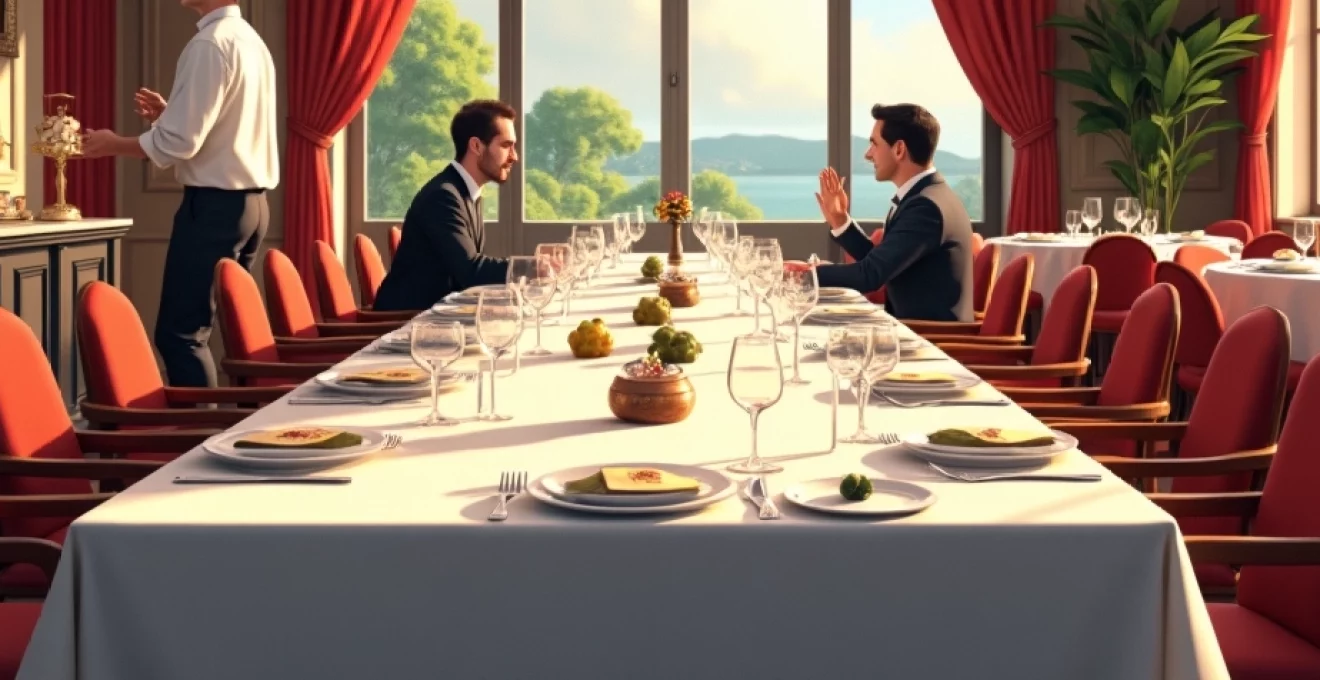
Elegant cuisine serves as a profound mirror of cultural values, historical traditions, and societal sophistication. The artistry found in high-end dining establishments transcends mere sustenance, embodying centuries of culinary evolution, social customs, and aesthetic principles that define civilizations. From the precise knife work of Japanese kaiseki to the elaborate sauce preparations of French haute cuisine, elegant dining experiences represent the pinnacle of cultural expression through food. This sophisticated approach to gastronomy reveals how societies prioritize craftsmanship, hospitality, and the celebration of life’s finest moments. The intricate relationship between food presentation, service protocols, and dining environments creates a comprehensive cultural statement that speaks to a society’s appreciation for beauty, tradition, and refined living.
Culinary techniques and plating artistry as cultural expression
The techniques employed in elegant cuisine serve as cultural fingerprints, revealing the historical development, environmental influences, and philosophical approaches of different societies. These sophisticated cooking methods represent generations of refinement, where each culture has developed distinctive approaches to transforming raw ingredients into extraordinary culinary experiences. The mastery of these techniques requires years of dedication and reflects the cultural value placed on craftsmanship and excellence.
French mother sauces and their regional derivatives
The foundation of French culinary sophistication rests upon Auguste Escoffier’s codification of the five mother sauces: béchamel, velouté, espagnole, hollandaise, and tomato. These fundamental preparations demonstrate the French approach to systematizing culinary knowledge, reflecting their cultural emphasis on organization, tradition, and methodical excellence. Each sauce requires precise technique, timing, and understanding of ingredient interactions, embodying the French philosophy that culinary mastery emerges through disciplined practice and adherence to established principles.
Regional variations of these mother sauces reveal how local ingredients and cultural preferences influence sophisticated cooking. Normandy’s butter-rich derivatives contrast with Provence’s herb-infused variations, demonstrating how terroir and regional identity shape elegant cuisine. This systematic approach to sauce-making reflects broader French cultural values of intellectual rigor, respect for tradition, and the belief that excellence requires both foundational knowledge and creative interpretation.
Japanese kaiseki seasonal progression and aesthetic principles
Japanese kaiseki represents perhaps the most refined expression of seasonal dining, where each course follows the natural progression of ingredients throughout the year. This multi-course dining experience embodies Japanese cultural principles of harmony with nature, mindfulness, and aesthetic restraint. The presentation emphasizes natural beauty, with dishes arranged to reflect seasonal themes and natural landscapes, demonstrating the Japanese belief that food should honor rather than dominate natural ingredients .
The kaiseki tradition incorporates traditional tea ceremony principles, emphasizing simplicity, seasonality, and the beauty of imperfection. Each element, from the selection of serving vessels to the timing of course presentation, reflects Japanese cultural values of respect for craftsmanship, attention to detail, and the appreciation of subtle flavors. This approach to elegant dining demonstrates how sophisticated cuisine can serve as a meditation on nature, seasons, and the passage of time.
Molecular gastronomy techniques in Michelin-Starred establishments
Modern molecular gastronomy represents contemporary culture’s fascination with scientific innovation and technological advancement applied to culinary arts. Techniques such as spherification, gelification, and liquid nitrogen applications reflect a society that values experimentation, scientific understanding, and the pushing of traditional boundaries. These methods demonstrate how elegant cuisine continues to evolve, incorporating new knowledge and technologies to create unprecedented dining experiences.
The presentation of molecular gastronomy dishes often challenges traditional expectations, creating visual and textural surprises that engage diners’ curiosity and sense of wonder. This approach reflects contemporary cultural values of innovation, creativity, and the belief that elegant cuisine should stimulate intellectual as well as sensory appreciation . The precision required for these techniques mirrors our culture’s emphasis on technical excellence and the application of scientific principles to artistic expression.
Traditional fermentation methods in nordic cuisine revolution
The revival of traditional fermentation techniques in Nordic cuisine represents a cultural reconnection with ancestral food preservation methods and local ingredients. This movement reflects contemporary values of sustainability, environmental consciousness, and the appreciation of traditional knowledge. Restaurants like Noma have elevated fermentation from necessity to art form, creating complex flavor profiles that celebrate regional ingredients and seasonal limitations.
These techniques demonstrate how elegant cuisine can honor cultural heritage while addressing modern concerns about food systems and environmental impact. The emphasis on local foraging, traditional preservation methods, and minimal processing reflects Nordic cultural values of self-reliance, respect for nature, and the belief that sophistication emerges from deep understanding of local resources rather than exotic ingredients.
Historical evolution of fine dining etiquette and service standards
The evolution of dining etiquette and service standards reveals how societies have developed sophisticated social codes around food consumption and hospitality. These protocols serve multiple functions: they demonstrate social status, facilitate smooth social interactions, and create shared cultural experiences that reinforce group identity. The complexity of formal dining etiquette reflects a society’s emphasis on social hierarchy, courtesy, and the transformation of basic human needs into elaborate cultural rituals.
Auguste escoffier’s brigade system implementation
Escoffier’s kitchen brigade system revolutionized professional cooking by applying military-style organization to culinary operations. This hierarchical structure reflects cultural values of efficiency, specialization, and systematic approaches to complex tasks. The brigade system demonstrates how elegant cuisine requires not just individual talent but coordinated teamwork and clearly defined roles, mirroring broader societal appreciation for organizational excellence and professional development.
The implementation of this system in fine dining establishments worldwide shows how French culinary culture has influenced global standards of kitchen organization and professional cooking. Each position within the brigade requires specific skills and training, reflecting the cultural belief that culinary excellence emerges through specialized expertise and coordinated effort rather than individual improvisation alone.
Ceremonial dining protocols in european royal courts
European royal court dining ceremonies established many protocols still observed in elegant dining today. These elaborate rituals served to demonstrate power, create social hierarchy, and transform meals into theatrical displays of wealth and sophistication. The complexity of these ceremonies, including specific seating arrangements, course timing, and service protocols, reflects the cultural function of elegant dining as social communication and status demonstration.
Modern fine dining establishments continue to employ modified versions of these protocols, maintaining formal service standards that create special occasion experiences. The persistence of these traditions demonstrates how elegant dining serves as cultural continuity , connecting contemporary diners with historical traditions of hospitality and refinement while adapting these practices to modern social contexts.
Service à la russe versus service à la française traditions
The distinction between Russian and French service styles reflects different cultural approaches to hospitality and dining presentation. Service à la française emphasized abundance and visual spectacle, with all courses displayed simultaneously to demonstrate wealth and variety. In contrast, service à la russe focused on proper temperature, individual attention, and sequential presentation, prioritizing the dining experience over visual display.
The modern adoption of Russian service in most fine dining establishments reflects contemporary cultural values that prioritize quality over quantity, personalized attention over impressive display, and optimal food temperature over elaborate presentation. This evolution demonstrates how cultural preferences shape service standards and how elegant dining adapts to changing societal values while maintaining sophisticated hospitality principles.
Contemporary hospitality standards at per se and the french laundry
Modern American fine dining establishments like Per Se and The French Laundry have redefined hospitality standards by combining European traditions with American innovation and informality. These restaurants demonstrate how elegant cuisine can maintain sophisticated standards while creating more approachable and personalized dining experiences. Their approach reflects American cultural values of innovation, hospitality, and the democratization of luxury experiences.
The service philosophy at these establishments emphasizes genuine warmth combined with professional excellence, creating experiences that feel both refined and welcoming. This approach demonstrates how contemporary elegant dining balances formality with authenticity , reflecting cultural shifts toward valuing genuine human connection alongside technical proficiency and traditional service protocols.
Terroir expression through premium ingredient selection
The concept of terroir represents one of the most sophisticated aspects of elegant cuisine, embodying the cultural understanding that exceptional ingredients reflect their specific geographic, climatic, and cultural origins. This appreciation for terroir demonstrates how refined dining celebrates the unique characteristics of place, transforming local ingredients into expressions of regional identity and environmental conditions. The selection and preparation of premium ingredients becomes a form of cultural storytelling, where each component of a dish communicates information about its origins, seasons, and the traditions that surround its cultivation or harvesting.
Elegant cuisine’s emphasis on terroir reflects broader cultural values regarding authenticity, environmental awareness, and the connection between food and place. Chefs who prioritize terroir-driven ingredients demonstrate respect for agricultural traditions, seasonal rhythms, and the skilled producers who cultivate exceptional raw materials. This approach requires extensive knowledge of suppliers, growing conditions, and optimal timing for ingredient procurement, reflecting the cultural belief that true sophistication emerges from deep understanding of ingredient origins rather than mere technical manipulation.
The presentation of terroir-focused dishes often emphasizes minimal intervention, allowing the inherent qualities of premium ingredients to shine through careful preparation and thoughtful accompaniments. This philosophy reflects cultural sophistication in restraint, demonstrating that elegant cuisine sometimes achieves its greatest impact through subtlety rather than complexity. The cultural appreciation for terroir also extends to wine selection, where vintage, vineyard location, and winemaking traditions become integral elements of the overall dining experience.
Premium ingredient selection in elegant cuisine serves as a bridge between agricultural traditions and contemporary culinary artistry, creating dishes that honor both the land and the cultural heritage of food production.
Wine pairing methodologies and sommelier expertise
The art of wine pairing represents a sophisticated cultural practice that elevates elegant dining from mere consumption to intellectual and sensory exploration. Professional sommelier expertise embodies years of study encompassing viticulture, wine production, flavor chemistry, and cultural traditions surrounding wine and food combinations. This specialized knowledge reflects cultural values that prioritize education, expertise, and the enhancement of dining experiences through carefully considered beverage selections that complement and elevate food flavors.
Contemporary wine pairing methodologies incorporate both traditional principles and innovative approaches, demonstrating how elegant cuisine continues to evolve while respecting established practices. Sommeliers consider factors including acidity levels, tannin structure, fruit characteristics, and regional pairing traditions when creating wine selections that enhance specific dishes. This systematic approach reflects cultural appreciation for analytical thinking applied to sensory experiences , where scientific understanding of flavor interactions combines with intuitive understanding of pleasure and harmony.
The role of sommelier expertise extends beyond simple wine selection to include education of dining guests, creating opportunities for cultural exchange around wine traditions, production methods, and regional characteristics. This educational component demonstrates how elegant dining serves as cultural transmission, introducing diners to new regions, grape varieties, and winemaking philosophies. The presentation of wine information, including proper tasting protocols and flavor description vocabulary, reflects sophisticated cultural codes that transform beverage consumption into refined cultural practice.
Advanced wine pairing considers not only individual course combinations but the progression of flavors throughout the entire meal, creating harmonious sequences that enhance the overall dining narrative. This comprehensive approach demonstrates cultural sophistication in long-term planning and consideration of cumulative sensory effects, reflecting values that prioritize holistic dining experiences over individual component excellence . The integration of wine service protocols, including proper glassware, serving temperatures, and presentation rituals, adds layers of cultural refinement to the elegant dining experience.
Architectural design and ambiance psychology in upscale restaurants
The physical environment of elegant dining establishments serves as a crucial cultural communication tool, where architectural design and ambiance creation work together to establish psychological conditions that enhance the appreciation of sophisticated cuisine. Restaurant design reflects cultural values regarding beauty, comfort, and the appropriate settings for refined social interaction, demonstrating how environmental psychology influences dining experiences and creates contexts that support elevated culinary appreciation.
Lighting temperature effects on dining perception
Professional lighting design in elegant restaurants employs specific color temperatures and intensity levels to create psychological conditions that enhance food presentation and dining comfort. Warm lighting temperatures, typically ranging from 2700K to 3000K, create intimate atmospheres that encourage relaxation and extended conversation, reflecting cultural values that prioritize social connection and leisurely dining experiences over efficiency or bright functionality.
The strategic use of accent lighting to highlight food presentation demonstrates how environmental design can enhance culinary artistry, making dishes appear more vibrant and appetizing. This attention to lighting details reflects cultural sophistication in understanding how environmental factors influence sensory perception and dining satisfaction. Dimmer controls and layered lighting systems allow for atmospheric adjustments throughout the dining experience, creating dynamic environments that support different phases of elegant dining service.
Acoustic engineering in fine dining establishments
Sophisticated acoustic design in elegant restaurants addresses the cultural need for comfortable conversation while maintaining appropriate noise levels that support refined dining experiences. Professional acoustic engineering employs sound-absorbing materials, strategic space planning, and background sound management to create environments where diners can engage in intimate conversation without interference from kitchen operations or neighboring tables.
The cultural emphasis on conversation as an integral component of elegant dining requires careful acoustic planning that balances ambient sound levels with speech clarity. This technical approach to environmental design reflects values that prioritize social interaction and communication quality as essential elements of sophisticated dining experiences, demonstrating how elegant cuisine extends beyond food to encompass all aspects of the cultural dining ritual.
Color psychology applications in restaurant interior design
Color selection in elegant restaurant design applies psychological research to create specific emotional and physiological responses that enhance dining experiences. Warm earth tones and sophisticated neutral palettes create calming environments that encourage appetite and relaxation, while strategic use of accent colors can stimulate visual interest without overwhelming the senses or competing with food presentation.
The cultural significance of color choices extends to their historical associations with luxury, tradition, and refinement, where deep blues, rich burgundies, and sophisticated grays communicate elegance and timeless style. These design decisions reflect cultural values that appreciate understated sophistication over flashy display, creating environments that support rather than distract from culinary artistry and social interaction.
Spatial configuration for intimate dining experiences
The arrangement of seating, table spacing, and traffic flow in elegant restaurants reflects cultural priorities regarding privacy, intimacy, and social comfort during refined dining experiences. Strategic spatial planning creates zones of varying privacy levels, allowing for both intimate couple dining and larger group celebrations while maintaining overall atmosphere coherence throughout the restaurant space.
Professional space planning considers sight lines, natural light access, and proximity to service areas to create optimal conditions for elegant dining while maintaining operational efficiency. This balanced approach demonstrates cultural sophistication in addressing both guest comfort and practical functionality, reflecting values that prioritize seamless service delivery within beautifully designed environments that enhance rather than compromise the dining experience.
Economic indicators of culinary sophistication markets
The economics of elegant cuisine reveal significant cultural indicators about societal values, disposable income distribution, and the cultural priority placed on sophisticated dining experiences. Market analysis of fine dining establishments demonstrates how economic conditions, demographic trends, and cultural shifts influence the development and sustainability of elegant cuisine markets. These economic factors reflect broader cultural attitudes toward luxury consumption, experiential spending, and the social significance of refined dining experiences.
Consumer spending patterns on elegant dining indicate cultural priorities that extend beyond basic sustenance to encompass entertainment, social status expression, and cultural participation. The willingness to invest significant financial resources in sophisticated dining experiences demonstrates cultural values that prioritize quality over quantity, memorable experiences over material possessions, and the social and cultural benefits of participating in refined culinary traditions. This spending behavior reflects sophisticated cultural understanding of dining as cultural investment rather than simple consumption.
Employment patterns within the elegant dining sector reveal the cultural infrastructure required to support sophisticated culinary operations, including specialized training programs, career advancement pathways, and professional development opportunities. The investment in highly skilled culinary professionals, experienced service staff, and specialized support roles demonstrates cultural commitment to maintaining standards of excellence that require substantial human capital development and ongoing professional education.
Regional variations in elegant dining markets reflect local cultural attitudes toward sophisticated cuisine, disposable income levels, and the integration of global culinary trends with local preferences and traditions. Urban markets typically support higher concentrations of elegant dining establishments, reflecting cultural demographics that include educated professionals, international business travelers, and residents with sophisticated palates and sufficient disposable income to support regular fine dining experiences.
The economic sustainability of elegant cuisine markets depends on cultural values that prioritize experiential luxury, social dining traditions, and the appreciation of culinary artistry as worthy of significant financial investment.
Investment trends in restaurant real estate, kitchen equipment, and staff development reveal the capital-intensive nature of elegant cuisine operations, where initial investments and ongoing operational costs reflect cultural expectations for sophisticated environments, professional equipment, and highly trained personnel. These economic requirements demonstrate how cultural sophistication demands substantial financial commitment to create and maintain dining experiences that meet elevated cultural standards and guest expectations.