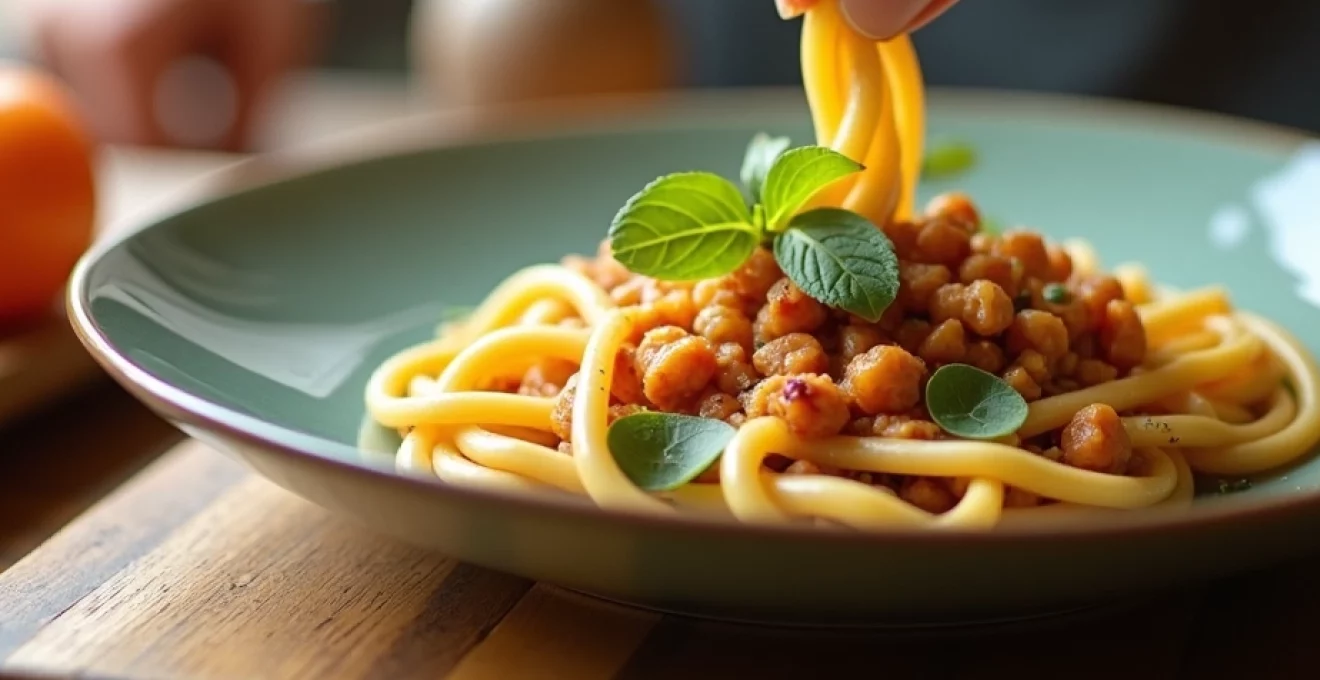
The pursuit of extraordinary culinary experiences has evolved far beyond mere dining into a transformative journey that shapes both palate and perspective. Gourmet adventures represent the pinnacle of gastronomic exploration, where food enthusiasts transcend conventional restaurant visits to engage with culinary artistry at its most authentic levels. These immersive experiences forge connections between passionate food lovers and the deepest traditions, techniques, and terroir that define exceptional cuisine worldwide.
For dedicated gastronomes, such adventures offer unparalleled access to knowledge that cannot be acquired through casual dining or cookbook study. They provide direct engagement with master practitioners, rare ingredient sourcing networks, and cultural food traditions that have been refined over generations. This comprehensive exploration of culinary excellence creates lasting impact on both professional development and personal culinary understanding.
Culinary terroir exploration through regional gastronomy immersion
Understanding the intimate relationship between geography and flavor requires direct experience within specific terroir environments. Regional gastronomy immersion allows food enthusiasts to comprehend how climate, soil composition, local agriculture, and cultural heritage converge to create distinctive culinary identities. This deep exploration extends far beyond surface-level tourist experiences to encompass the fundamental elements that define regional cuisine.
Terroir exploration involves systematic engagement with local food systems, from primary production through final presentation. Food enthusiasts gain appreciation for how environmental factors influence ingredient development, seasonal availability patterns, and traditional preservation methods. This comprehensive understanding transforms how you approach ingredient selection and menu development in your own culinary practice.
Michelin-starred restaurant experiences in napa valley and burgundy
These prestigious culinary destinations offer unmatched opportunities to observe world-class technique execution and innovative flavor development strategies. Michelin-starred establishments in wine regions like Napa Valley and Burgundy demonstrate sophisticated food and wine pairing principles that reflect centuries of refined gastronomy. The experience provides insight into precision cooking methods, seasonal menu development, and the integration of local terroir elements into contemporary presentations.
Engaging with these establishments allows you to witness operational excellence at the highest levels, from ingredient sourcing protocols to service delivery standards. Such experiences expose food enthusiasts to culinary innovation trends and advanced cooking techniques that influence global gastronomy development. The knowledge gained from these immersive experiences becomes invaluable for understanding quality benchmarks and excellence standards within the culinary industry.
Farm-to-table partnerships with artisanal producers and local growers
Direct relationships with agricultural producers provide essential understanding of ingredient quality determinants and seasonal variation impacts. These partnerships reveal how growing conditions, harvesting timing, and post-harvest handling influence final flavor profiles and nutritional content. Food enthusiasts develop appreciation for the complexity involved in producing exceptional ingredients and learn to identify quality markers that distinguish superior products.
Working closely with artisanal producers exposes you to traditional farming methods, heritage seed varieties, and sustainable agriculture practices that contribute to exceptional ingredient development. This knowledge enables more informed ingredient selection decisions and deeper understanding of how production methods influence culinary outcomes. The relationships formed through these partnerships often provide ongoing access to premium ingredients and specialized products.
Indigenous ingredient discovery in remote culinary landscapes
Exploration of indigenous ingredients in their native environments offers unique insights into traditional food systems and cultural culinary practices. These experiences introduce food enthusiasts to ingredients unavailable through conventional supply chains and demonstrate their traditional preparation and application methods. Understanding indigenous ingredients expands culinary vocabulary and provides inspiration for innovative menu development approaches.
Remote culinary landscapes often preserve traditional knowledge systems that have been lost in more developed regions. Engaging with these environments allows you to learn about wild foraging techniques, traditional preservation methods, and seasonal eating patterns that reflect deep environmental adaptation. This knowledge contributes to more sustainable and culturally informed culinary practice development.
Traditional fermentation techniques from scandinavian and japanese masters
Mastering traditional fermentation requires hands-on learning from practitioners who have inherited knowledge through generations of refinement. Scandinavian and Japanese fermentation traditions represent sophisticated approaches to ingredient transformation that create complex flavor profiles and enhanced nutritional value. These techniques require precise environmental control and timing that can only be learned through direct mentorship and practical application.
Learning from master fermentation practitioners provides understanding of how different environmental conditions, substrate preparations, and microbial cultures influence final product characteristics. This knowledge enables you to develop your own fermentation programs and create unique ingredients that enhance culinary offerings. The techniques learned from these masters often become signature elements that distinguish exceptional culinary programs.
Advanced palate development through structured tasting methodologies
Systematic palate development represents one of the most critical investments food enthusiasts can make in their culinary education. Professional tasting methodologies provide structured approaches to flavor analysis that enhance sensitivity to subtle differences in ingredients, preparations, and presentations. These skills enable more sophisticated ingredient evaluation and quality assessment capabilities that inform better culinary decisions.
Advanced palate training involves exposure to extensive ingredient and preparation variations that expand flavor recognition vocabulary and sensitivity thresholds. Through structured comparison tastings and analytical exercises, you develop the ability to identify specific flavor compounds, assess balance relationships, and evaluate quality indicators that distinguish exceptional products. This enhanced sensitivity becomes invaluable for ingredient sourcing, menu development, and quality control applications.
Professional palate development requires systematic exposure to diverse flavor profiles combined with analytical frameworks that enhance recognition and evaluation capabilities.
Professional sommelier training with court of master sommeliers protocols
Court of Master Sommeliers protocols represent the gold standard for beverage knowledge and service excellence within the hospitality industry. This comprehensive training develops systematic approaches to wine and beverage evaluation that enhance understanding of how production methods, aging processes, and storage conditions influence final product characteristics. The rigorous methodology provides frameworks for consistent quality assessment and selection criteria development.
Sommelier training extends beyond wine knowledge to encompass food and beverage pairing principles, service protocols, and inventory management strategies. These skills prove essential for creating comprehensive dining experiences that showcase ingredient quality and culinary technique execution. The analytical skills developed through sommelier training enhance overall sensory evaluation capabilities across all culinary applications.
Umami recognition and fifth taste sensitivity cultivation
Developing sensitivity to umami compounds requires targeted exposure to diverse protein sources, fermented products, and aged ingredients that contain high concentrations of glutamates and nucleotides. This training enhances your ability to identify and utilize umami elements in menu development and ingredient combination strategies. Understanding umami principles enables more sophisticated flavor balance achievement and satisfaction enhancement in culinary presentations.
Umami recognition training involves systematic tasting of ingredients known for umami content, including various mushroom varieties, aged cheeses, cured meats, and fermented products. Through comparative analysis exercises, you learn to identify different umami compound types and understand how they interact with other taste elements to create complex flavor profiles. This knowledge proves essential for developing satisfying vegetarian preparations and enhancing overall flavor intensity in culinary applications.
Molecular gastronomy component analysis and flavor deconstruction
Molecular gastronomy techniques provide analytical tools for understanding how individual flavor compounds contribute to overall taste experiences. These methods enable flavor deconstruction that reveals component interactions and allows for innovative reconstruction approaches. Understanding molecular gastronomy principles enhances your ability to modify traditional preparations and create unique sensory experiences.
Component analysis training involves learning to identify individual flavor elements within complex preparations and understanding how different cooking methods affect molecular structures. These skills enable more precise control over flavor development and texture modification in culinary applications. The analytical approach learned through molecular gastronomy training enhances overall understanding of how cooking processes affect ingredient characteristics at fundamental levels.
Blind tasting proficiency development for wine and spirits
Blind tasting proficiency represents the ultimate test of sensory evaluation skills and provides objective assessment of palate development progress. Regular blind tasting practice enhances recognition speed and accuracy for identifying grape varieties, production regions, vintage characteristics, and quality levels. These skills prove invaluable for beverage program development and inventory selection decisions.
Developing blind tasting proficiency requires systematic practice with diverse wine and spirit categories combined with analytical frameworks that guide evaluation processes. Through structured practice sessions, you learn to identify characteristic markers for different production regions, grape varieties, and aging processes. This enhanced recognition capability enables more informed purchasing decisions and sophisticated beverage program development.
Culinary technique mastery through Hands-On apprenticeships
Hands-on apprenticeships provide irreplaceable opportunities to develop muscle memory and intuitive understanding of fundamental culinary techniques. Working alongside experienced practitioners allows you to observe subtle technique variations that cannot be communicated through written descriptions or video demonstrations. The intensive practice environment accelerates skill development and provides immediate feedback that refines technique execution.
Professional apprenticeships expose food enthusiasts to high-volume production environments where efficiency and consistency become critical success factors. These experiences teach time management strategies, organization systems, and quality control protocols that prove essential for successful culinary operations. The discipline and standards learned through apprenticeships establish foundations for professional excellence that benefit all future culinary endeavors.
Master practitioners share knowledge accumulated through years of refinement that includes subtle technique modifications and troubleshooting strategies not found in formal educational programs. This transmitted wisdom encompasses understanding of how environmental factors affect cooking processes, ingredient behavior variations, and adaptation strategies for different conditions. The mentorship relationships formed during apprenticeships often provide ongoing guidance and support throughout culinary career development.
Apprenticeship environments also provide exposure to professional equipment usage, maintenance protocols, and safety procedures that ensure consistent results and operational efficiency. Learning proper equipment handling techniques and understanding equipment capabilities enables better tool selection decisions and more effective kitchen organization strategies. These practical skills prove essential for establishing successful culinary operations and achieving consistent quality standards.
Authentic cultural food traditions from master practitioners
Learning authentic cultural food traditions requires direct engagement with master practitioners who have inherited knowledge through generational transmission. These experiences provide access to traditional techniques, ingredient combinations, and preparation methods that cannot be learned through books or mainstream culinary education. Understanding cultural food traditions enhances appreciation for culinary diversity and provides inspiration for innovative menu development approaches.
Cultural food tradition immersion involves understanding not just cooking techniques but also the social, religious, and historical contexts that shaped traditional culinary practices. This comprehensive understanding enables more respectful and authentic interpretation of traditional dishes and helps avoid cultural appropriation concerns. The knowledge gained from these experiences contributes to more meaningful culinary storytelling and menu development.
Italian nonna Pasta-Making workshops in Emilia-Romagna villages
Traditional pasta-making workshops with Italian grandmothers provide access to techniques refined through generations of daily practice. These experienced practitioners demonstrate subtle hand movements, dough texture recognition, and timing factors that distinguish exceptional pasta preparation. The intimate workshop setting allows for personalized instruction and immediate feedback that accelerates learning progress.
Emilia-Romagna region workshops expose you to traditional sauce preparation methods, cheese aging processes, and ingredient sourcing practices that complement pasta techniques. Understanding these integrated systems provides complete knowledge for recreating authentic Italian preparations. The relationships formed with local practitioners often provide ongoing access to traditional recipes and technique refinements.
French charcuterie techniques from lyon traditional bouchons
Lyon’s traditional bouchons preserve authentic French charcuterie techniques that have been refined over centuries of practice. Learning from master charcutiers provides understanding of traditional curing methods, spice blend formulations, and aging processes that create distinctive flavor profiles. These techniques require precise temperature and humidity control that can only be mastered through hands-on practice and expert guidance.
Traditional charcuterie workshops include instruction in food safety protocols, quality assessment methods, and storage techniques that ensure product safety and optimal flavor development. Understanding these comprehensive systems enables you to develop your own charcuterie programs while maintaining traditional quality standards. The techniques learned from Lyon masters often become signature elements that distinguish exceptional culinary offerings.
Japanese kaiseki philosophy and seasonal ingredient harmony
Kaiseki tradition represents sophisticated culinary philosophy that emphasizes seasonal ingredient harmony and presentation artistry. Learning kaiseki principles requires understanding of seasonal awareness, ingredient selection criteria, and presentation techniques that reflect natural beauty and seasonal change. This comprehensive approach influences menu development philosophy and enhances appreciation for ingredient seasonality.
Kaiseki training involves developing sensitivity to subtle flavor combinations, texture contrasts, and visual presentation principles that create harmonious dining experiences. These skills enhance your ability to create sophisticated tasting menus and develop refined presentation techniques. The philosophical approach learned through kaiseki training often transforms overall culinary practice and menu development strategies.
Peruvian ceviche preparation with lima’s acclaimed cebicheros
Learning ceviche preparation from Lima’s master cebicheros provides understanding of traditional acid-cooking techniques and ingredient selection criteria that create optimal results. These practitioners demonstrate precise timing factors, acid balance principles, and accompaniment selection strategies that distinguish exceptional ceviche preparations. The technique requires understanding of fish quality assessment and handling protocols that ensure food safety and optimal texture development.
Traditional ceviche workshops include instruction in traditional garnish preparation, side dish coordination, and presentation techniques that complement the primary preparation. Understanding these integrated systems provides complete knowledge for creating authentic Peruvian dining experiences. The techniques learned from master cebicheros often inspire innovative raw fish preparation methods and acid-cooking applications.
Premium ingredient sourcing networks and supply chain relationships
Developing access to premium ingredient sourcing networks represents a critical investment for serious food enthusiasts seeking to elevate their culinary practice. These specialized supply chains provide access to ingredients unavailable through conventional retail channels and often include products with superior quality characteristics, unique flavor profiles, or limited availability. Understanding how to identify and establish relationships with premium suppliers enhances ingredient access and enables more sophisticated menu development capabilities.
Professional sourcing networks encompass diverse supplier categories including specialty importers, artisanal producers, sustainable farms, and exclusive distributors who focus on exceptional products. Building relationships within these networks requires understanding quality evaluation criteria, seasonal availability patterns, and minimum order requirements that govern premium ingredient markets. The knowledge gained through these relationships often provides advance access to seasonal specialties and limited-production items that distinguish exceptional culinary programs.
Supply chain relationship development involves establishing trust with suppliers through consistent orders, prompt payment practices, and demonstrated appreciation for product quality. These relationships often provide access to supplier expertise regarding optimal storage methods, preparation techniques, and seasonal availability forecasts that enhance ingredient utilization. Many premium suppliers offer educational opportunities including farm visits, production facility tours, and technique workshops that deepen understanding of their products.
Understanding global ingredient markets enables more strategic purchasing decisions and seasonal menu planning that takes advantage of optimal availability periods and favorable pricing conditions. Knowledge of international shipping requirements, preservation methods, and quality maintenance protocols allows access to specialty ingredients from distant regions. This expanded sourcing capability enables menu development that incorporates authentic international ingredients and unique flavor combinations unavailable through local supply chains.
Premium ingredient sourcing requires developing relationships with specialized suppliers who understand quality distinctions and can provide consistent access to exceptional products.
Gastronomic travel planning and epicurean itinerary optimization
Strategic gastronomic travel planning maximizes culinary learning opportunities while ensuring efficient resource allocation and optimal experience sequencing. Effective epicurean itinerary development requires understanding seasonal availability patterns, regional specialties, and booking requirements for exclusive dining experiences. This systematic approach enables food enthusiasts to access otherwise unavailable opportunities and create comprehensive learning experiences that justify travel investments.
Professional travel planning involves researching local food festivals, harvest seasons, and special culinary events that provide unique access to traditional techniques and exceptional ingredients. Understanding these temporal factors enables itinerary coordination that captures peak seasonal experiences and limited-availability opportunities. Many culinary destinations offer exclusive experiences during specific periods that require advance planning and reservation coordination.
Optimized itineraries balance formal learning opportunities with spontaneous discovery experiences that provide comprehensive exposure to local food cultures. This approach includes scheduled workshops, restaurant reservations, and market visits combined with flexible time allocation for unexpected discoveries. The balance between structured and unstructured experiences ensures complete cultural immersion while maintaining access to specific learning objectives.
Advanced travel planning includes coordination with local guides, translators, and cultural liaisons who facilitate deeper engagement with food traditions and provide access to experiences unavailable to independent travelers. These relationships often enable participation in family meals, traditional celebrations, and community food events that provide authentic cultural insight. The connections made through guided experiences frequently extend beyond initial travel periods and provide ongoing cultural exchange opportunities that enrich future culinary practice.